3D Modeling & Rendering

3D Modeling
3D modeling is a way to create digital representations of an object or location in three dimensions. People use 3D modeling software to do this.
Creating 3D models can be hard and take a lot of time, but they are often very useful for jobs that involve 3D rendering. 3D rendering is the process of creating images or videos from three-dimensional data. This data can come from 3D models, photographs, or scans.
3D modeling is the first step before making any 3D Rendering, Virtual Reality software, or Augmented Reality Software. If you want to make a unique 6DoF virtual reality experience, make sure that all of the elements on your screen are made with 3D modeling.
3D Modeling Techniques
The term 3D modeling is a little broad. Let's categorize it into smaller groups..
Hard-surface Modeling
Organic Modeling
Character Modeling
Soft-Body Modeling
Hard-Surface Modeling
Hard-Surface Modeling is a technique that uses a computer to create models of things with hard, smooth surfaces. Cars, machines, architectural features, and other non-organic things can be created with this technique. When creating 3D renderings, virtual reality applications, or augmented reality applications, Hard-Surface Modeling is the most common technique used.
In contrast to organic modeling, which refers to anything that is alive, hard surface modeling is man-made. It means creating things that are not alive, like machines or rigid bodies. This type of modeling is usually used for objects that can't be deformed without breaking, and it has the extra property of being produced or machined.


Organic Modeling
Organic modeling is a technique used to create digital or artificial replicas of living or natural forms, such as plants, trees, animals, and humans. Unlike rigid or mechanical objects, organic models aim to capture the fluid, irregular, and natural shapes found in real life. This approach is widely used in 3D modeling, visual effects, animation, and gaming to bring lifelike elements into digital environments. By accurately simulating curves, textures, and proportions, organic modeling helps create more realistic and visually engaging content.
Organic models are especially popular in animation because they are designed to behave naturally under various conditions. They can deform, stretch, or bend in response to external forces such as pressure, movement, temperature changes, or speed, allowing animators to simulate realistic motion and interactions. This flexibility makes organic modeling essential for creating lifelike characters, creatures, and environments that react convincingly to their surroundings.
Character Modeling
Character modeling is the process of designing and creating characters for a project, whether it’s a game, animation, or virtual reality experience. Unlike generic models, these characters have distinct personalities, styles, and traits that make them unique. They are crafted with careful attention to details such as facial features, body shape, clothing, and expressions to ensure they feel alive and relatable. For example, if you base a character on yourself, it should reflect your skin tone, facial structure, and personal features to maintain authenticity.
In essence, character modeling is a crucial technique for generating virtual characters that enhance immersive experiences. Well-designed characters help tell stories, engage users, and create a deeper sense of realism in virtual environments, making them an indispensable part of animation, gaming, and VR development.


Soft-Body Modeling
Soft-body modeling is a technique used to simulate objects that deform when pressure or force is applied. Examples include items like a tennis ball, jelly, or rubber, which change shape naturally under stress. Unlike hard-surface modeling, which deals with rigid and solid objects, soft-body modeling focuses on creating realistic simulations of flexible and pliable materials.
This technique is commonly used for materials such as clothing, fabric, foam, and other soft substances. By accurately mimicking how these objects respond to movement, gravity, or collisions, soft-body modeling adds a layer of realism to animations, games, and virtual reality experiences, making interactions with these objects feel lifelike and dynamic.
Implementation of each modelling technique :
Organic modeling is used to create a realistic fruit bowl on a table. Hard-surface modeling is used to create a more geometric and precise shape for the bowl.
There are three different ways to model an object in 3D space. The fruit bowl and wooden table use Hard-surface modeling, which is when you create a 3D object using geometric shapes. The apples represent Organic modeling, which is when you create a 3D object by sculpting it like you would with clay. Lastly, the cloth beneath represents Soft-Body Modeling, which is when you create a 3D object by simulating real-world physics.
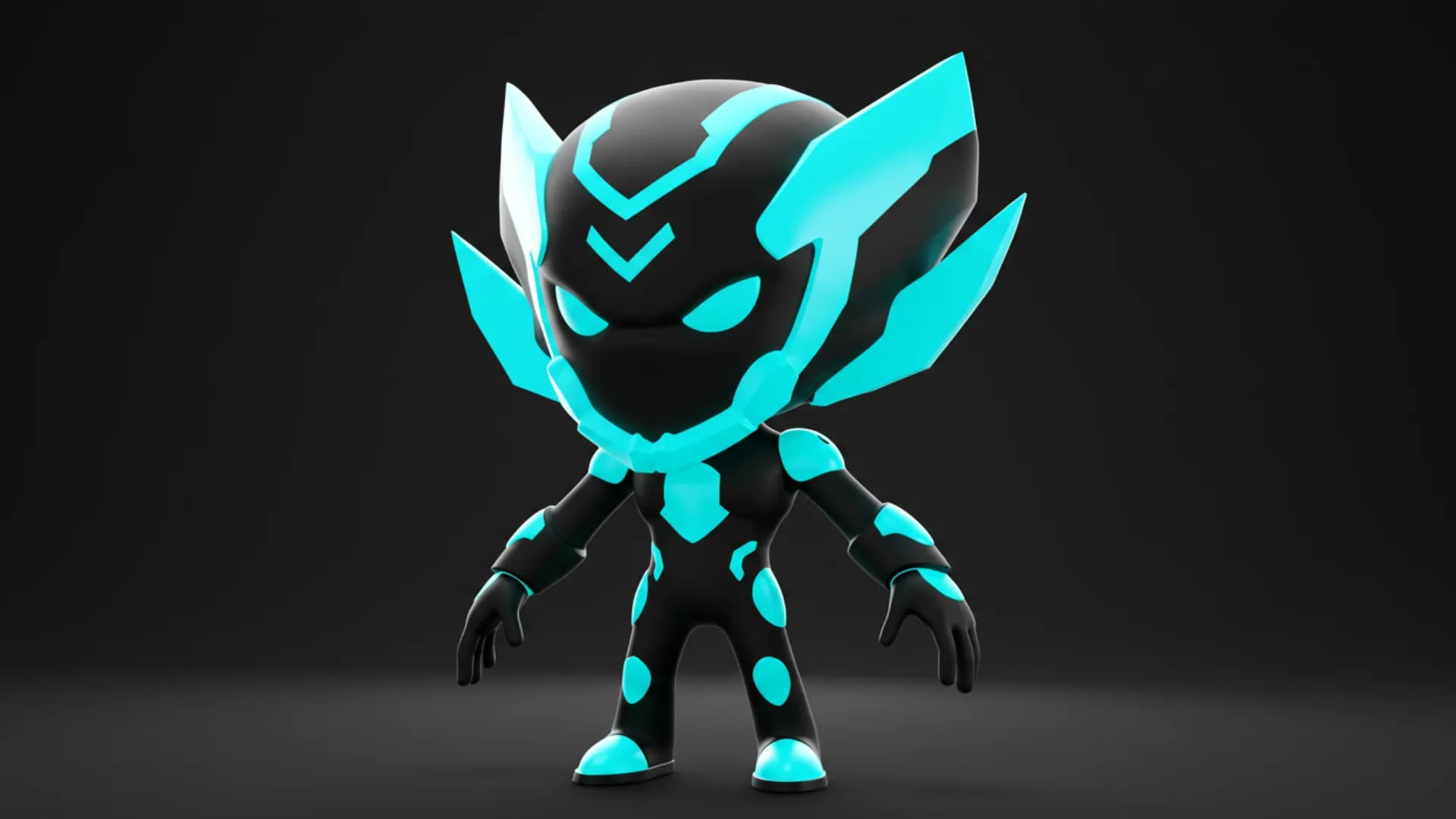
This is a way to create a character in a video game. It is what you would do if you wanted someone on the other side of the screen to see themselves.
3D representations of things we see in real life can be created through many different methods. These include Hard-Surface Modeling, Organic Modeling, Character Modeling, and Soft-Body Modeling. Virtual Reality Cape Town can create a 3D model of your house that is realistic and useful for many industries.
3D rendering
3D rendering is a process that creates images that look real. These images help customers see what a product or environment will look like when it is finished. Sometimes 3D rendering is used to create art, which can be sold as NFTs (Non-Fungible Tokens).
3D rendering technology has made it easier for people to create 3D designs. Before, an artist would have to create their own interpretation of what the design would look like. With 3D rendering, a computer can do most of the work for you. This way, you can get a more accurate representation of how the final design will look.
3D rendering is a process that allows artists to focus on the overall look and feel of a product. This can be done by changing colors, camera angles, materials, and other factors. By doing this, it is possible to get an accurate idea of what the final product will look like. However, achieving photo realism requires a lot of skill and talent.
The following are some of the reasons why 3D rendering is so important.
Virtual Reality Applications
Augmented Reality Applications
Metaverse Developments
Product Animation
Interior Architecture Design
Exterior Architecture Design
Product Visualization
Architectural Development Design
Product Design

Architectural Visualization
3D rendering plays a crucial role in architectural visualization, providing a bridge between conceptual designs and real-world understanding. Many clients find it challenging to fully grasp the scale, layout, and aesthetics of a space when viewing traditional two-dimensional plans or blueprints. By using 3D modeling and rendering, architects and designers can transform these flat plans into immersive, three-dimensional representations that showcase the design more clearly and realistically.
This process allows clients to visualize how the finished space will look, including details such as lighting, materials, textures, and spatial relationships. It can also highlight architectural features, interior design elements, and landscaping, giving a comprehensive view of the project before construction begins. Architectural visualization not only aids client understanding but also helps architects refine their designs, identify potential issues early, and communicate ideas more effectively, making it an indispensable tool in modern architecture and real estate development.
Product Visualization
3D rendering is a powerful tool for product visualization, allowing clients to see a realistic representation of a product or space before it exists. For example, in interior design, 3D rendering can show what a future home or room might look like, giving clients the ability to experiment with different colors, materials, and lighting options.
With 3D rendering, it’s easy to change camera angles and perspectives to explore the space from multiple viewpoints. This flexibility helps clients make informed decisions, visualize design choices, and customize every detail to their liking. The limitless possibilities of 3D rendering make it an invaluable tool for presenting products, designs, or concepts in a compelling and interactive way.


Virtual Reality Applications
In a 6DoF (six degrees of freedom) virtual reality application, images of the real world are captured and transformed into fully interactive 3D environments. These environments allow users to move freely, look around, and explore from different perspectives. Computers can render these environments with higher detail and realism than mobile devices due to their greater processing power, creating a more immersive experience.
In augmented reality (AR) applications, the real-world environment is captured through cameras, and digital content is overlaid on top of it. Using 3D rendering, computers seamlessly integrate virtual objects with real-world scenes, enabling interactive experiences that blend reality and digital elements. Both VR and AR rely on advanced rendering techniques to create engaging, lifelike experiences for users.
Metaverse Development
The Metaverse is a virtual world where people can gather, interact, and engage in various activities. Its potential has attracted businesses and creators looking to establish a presence, offer services, or sell virtual goods. Within the Metaverse, almost anything can be added—buildings, clothing, accessories, and more—creating a rich and immersive digital environment.
Before any element is added to the Metaverse, it must first be designed and modeled in 3D. This ensures that clients can preview and approve the design, maintaining quality and accuracy. 3D modeling plays a crucial role in Metaverse development, allowing creators to bring imaginative concepts to life and deliver engaging virtual experiences.

What is 3D Rendering?
3D rendering is the process of creating a 3D model of an object or environment, and then using specialized software and algorithms to generate a photorealistic or stylized image of the model. 3D rendering is often used in architecture, product design, and visual effects, and it can provide a detailed and realistic view of an object or environment that can be useful for design, visualization, and communication.
3D rendering services are companies or individuals that specialize in creating and producing 3D rendering images. 3D rendering services typically use specialized software and tools to create and render 3D models, and they can provide a range of services, including modeling, texturing, lighting, and rendering.
3D rendering services can be beneficial for businesses, organizations, and individuals who want to create detailed and realistic images of objects or environments. 3D rendering services can help to plan and execute a successful 3D rendering project, and they can provide expert knowledge and guidance on the best software, techniques, and styles to use to create high-quality 3D renderings.
Our 3D rendering services can be an effective way to create detailed and realistic images of objects or environments that can be useful for many different purposes.