Loading...

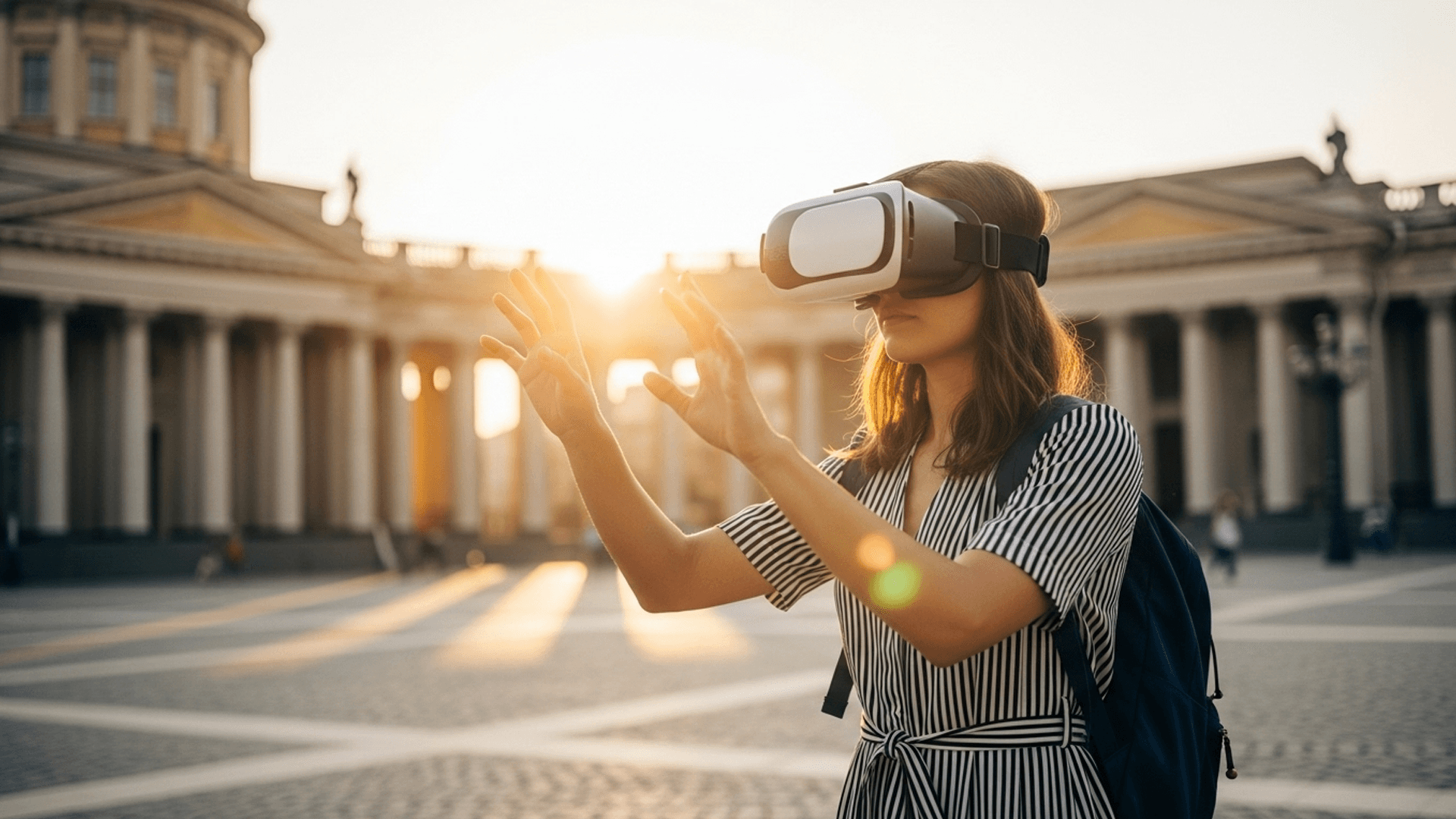
Leverage VR for tourism: immersive destination previews, enhanced accessibility, sustainability and storytelling with Virtual Reality Cape Town.
Virtual reality (VR) has the potential to revolutionize the tourism industry by providing people with a highly immersive and interactive experience. With VR, tourists can visit distant places and experience them as if they were really there. For example, VR can allow a person to go on a virtual tour of a foreign city and visit its most famous landmarks, such as the Eiffel Tower or the Great Wall of China, without ever leaving their home.
VR can also be used to enhance adventure and outdoor activities, such as skydiving, bungee jumping, and hiking. This allows travelers to experience the thrill and excitement of these activities without the risk or expense of actually doing them.
Additionally, VR can be used to provide personalized and customized experiences for travelers. For example, a VR tour of a city could be tailored to the individual's interests and preferences, highlighting the places and activities that are most relevant to them.
VR in the tourism industry has the potential to enhance the travel experience and provide unique and engaging experiences for travelers.
Virtual tours are a type of digital technology that allows people to explore a place or attraction remotely, using a computer or mobile device. This can be particularly useful for those who are unable to visit a location in person due to distance, cost, or other factors.
Virtual tours can take many forms, from 360-degree panoramic images that allow users to look around a space, to interactive guides that provide information and multimedia content about a destination. Some virtual tours may even include virtual reality (VR) components, allowing users to experience a location in a more immersive way.
In the tourism industry, virtual tours can be a great way to promote a destination and give potential visitors a sense of what it's like to be there. They can also provide valuable information about local attractions and activities, helping travelers plan their trips. Additionally, virtual tours can be a valuable resource for those who are unable to travel due to health or accessibility issues.
Virtual Tours can be a useful tool for enhancing the travel experience and making it more accessible to a wider audience.
Virtual Tours of hotels can also be published into Google Maps and Google Street View to provide the hotel with maximum online exposure directly from Google themselves.
Onee potential benefit of using Google Street View to create a virtual tour of a hotel is that it can make the tour more widely available and accessible to potential guests. Google Street View is a widely-used and widely-known platform, and many people are already familiar with how to use it to explore different locations. By creating a virtual tour on Google Street View, a hotel can make it easier for potential guests to find and explore their property.
Additionally, using Google Street View to create a virtual tour can help to enhance the hotel's online presence and improve its visibility on search engines. Google Street View is integrated with Google Maps and other Google services, which means that a hotel's virtual tour may appear in search results and other places where potential guests are looking for information about hotels in the area.
Overall, using Google Street View to create a virtual tour of a hotel can be a valuable way to make the hotel more visible and accessible to potential guests, and to improve its online presence.
It is difficult to predict the exact future of travel in virtual reality, as it will likely depend on many factors such as technological advancements, consumer preferences, and the development of virtual reality technology. However, it is possible that virtual reality could play a significant role in the future of travel.
One potential use of virtual reality in travel is the creation of immersive, realistic virtual tours of destinations. This could allow people to explore different places and attractions from the comfort of their own homes, using VR headsets and other technology.
Another potential use of virtual reality in travel is the development of virtual reality experiences that allow people to "visit" different places and experience them in a more immersive way. For example, a VR experience could simulate a hike through the mountains, a dive in the ocean, or a trip to a foreign city.
The future of travel in virtual reality is uncertain, but it has the potential to greatly enhance the travel experience and make it more accessible to a wider audience.
Contact Virtual Reality Cape Town today and discover how we can transform your digital strategy through immersion.