
The Role of Virtual Reality in Cape Town's Growing Tech Scene
Exploring How VR is Shaping Innovation, Education, Tourism, and Business in Cape Town Virtual Reality (VR) has emerged as a transformative force...
Exploring How VR is Shaping Innovation, Education, Tourism, and Business in Cape Town
Virtual Reality (VR) has emerged as a transformative force within Cape Town's vibrant tech ecosystem, catalyzing advancements across multiple sectors. This immersive technology transcends traditional entertainment, serving as a pivotal tool for driving innovation, enhancing educational methodologies, revolutionizing tourism, and redefining business operations. By seamlessly integrating VR into various industries, Cape Town is positioning itself at the forefront of technological evolution, fostering a milieu where creativity and functionality coalesce. The city's dynamic landscape, characterized by its diverse industries and forward-thinking enterprises, provides an ideal environment for VR to thrive, thereby accelerating economic growth and technological prowess. This exploration delves into the multifaceted impact of VR, elucidating its role in shaping the future of Cape Town's tech scene.
Leading VR Companies Driving Innovation in Cape Town
Pioneers in VR Technology Development
Cape Town's technological renaissance is significantly propelled by visionary VR pioneers who are redefining the boundaries of immersive technology. These trailblazers engage in avant-garde research and development, crafting sophisticated virtual environments that transcend conventional user experiences. By leveraging cutting-edge hardware and software innovations, these companies are instrumental in creating seamless, hyper-realistic simulations that cater to diverse industries. Their relentless pursuit of excellence not only positions Cape Town as a formidable player in the global VR landscape but also fosters a culture of continuous innovation and technical mastery within the local tech ecosystem.
Startups Revolutionizing Virtual Experiences
The entrepreneurial spirit in Cape Town has birthed a myriad of startups that are revolutionizing virtual experiences through ingenuity and agility. These nimble enterprises harness the latest advancements in VR technology to deliver bespoke solutions tailored to specific market needs. From interactive storytelling and immersive gaming to specialized training modules, these startups are pioneering unique applications that enhance user engagement and operational efficiency. Their ability to swiftly adapt to emerging trends and incorporate user feedback ensures that Cape Town remains at the forefront of VR innovation, driving both economic growth and technological advancement.
Collaborations Between Local and International VR Firms
Strategic collaborations between local Cape Town VR firms and international counterparts are fostering a synergistic environment that accelerates technological progress and market penetration. These partnerships facilitate the exchange of expertise, resources, and best practices, enabling Cape Town-based companies to scale their solutions and access global markets more effectively. Joint ventures often lead to the co-development of groundbreaking applications, blending diverse perspectives and technical proficiencies to produce superior VR offerings. This international collaboration not only enhances the global competitiveness of Cape Town’s VR industry but also enriches the local talent pool through cross-cultural knowledge transfer and professional development opportunities.
Virtual Reality Transforming the Tourism Industry
Immersive Virtual Tours of Cape Town’s Landmarks
Virtual Reality is revolutionizing the tourism sector in Cape Town by offering immersive virtual tours of iconic landmarks, allowing users to explore the city's rich heritage and stunning landscapes from anywhere in the world. These virtual excursions provide a highly detailed and interactive experience, enabling potential tourists to navigate through attractions such as Table Mountain, the V&A Waterfront, and the historic Bo-Kaap neighborhood with unprecedented realism. By simulating the sensory aspects of visiting these sites, VR tours not only serve as promotional tools but also enhance the decision-making process for travelers, fostering a deeper connection and anticipation before their physical visit.
Enhancing Tourist Engagement with VR Experiences
VR experiences are augmenting tourist engagement in Cape Town by introducing interactive elements that captivate and educate visitors in novel ways. These experiences range from augmented reality treasure hunts that guide tourists through the city’s hidden gems to interactive exhibits in museums that bring history to life. By integrating gamification and personalized content, VR applications create memorable and engaging interactions that enrich the overall tourist experience. This heightened level of engagement not only increases visitor satisfaction and retention but also encourages word-of-mouth promotion and repeat visits, thereby contributing to the sustained growth of Cape Town’s tourism industry.
Partnerships Between VR Companies and Tourism Boards
Collaborative partnerships between VR companies and Cape Town’s tourism boards are instrumental in crafting comprehensive and compelling virtual tourism initiatives. These alliances enable the development of high-quality VR content that accurately represents the city’s attractions and cultural landmarks. By working closely with tourism authorities, VR firms ensure that their offerings align with marketing strategies and tourism goals, creating cohesive campaigns that effectively promote Cape Town as a premier travel destination. These partnerships also facilitate access to exclusive content and resources, enhancing the authenticity and appeal of virtual tours and experiences, thereby attracting a broader and more diverse audience.

VR in Education: Enhancing Learning and Training
Virtual Classrooms and Interactive Learning Tools
Virtual Reality is transforming the educational landscape in Cape Town by introducing virtual classrooms and interactive learning tools that foster an engaging and dynamic learning environment. These VR-based solutions enable students to participate in immersive lessons that transcend traditional classroom boundaries, offering experiential learning opportunities that enhance comprehension and retention. Interactive simulations and 3D models allow learners to explore complex subjects such as biology, history, and engineering in a hands-on manner, promoting critical thinking and problem-solving skills. By integrating VR into the curriculum, educational institutions in Cape Town are equipping students with the technological proficiency and innovative mindset necessary for success in the modern workforce.
VR Simulations for Professional Training Programs
In the realm of professional training, Virtual Reality provides Cape Town’s industries with sophisticated simulation tools that enhance skill acquisition and performance. VR simulations offer realistic and risk-free environments for training in fields such as healthcare, manufacturing, and emergency response, allowing professionals to practice and refine their techniques without the constraints of physical limitations. These simulations can be tailored to specific scenarios, providing targeted training that addresses the unique challenges of each profession. By leveraging VR technology, organizations can ensure that their workforce is well-prepared, highly competent, and adaptable to evolving industry standards, thereby improving overall productivity and safety.
Collaborations with Educational Institutions and Universities
Collaborative efforts between VR companies and educational institutions in Cape Town are pivotal in integrating advanced VR technologies into academic programs. These partnerships facilitate the development of specialized VR curricula and research initiatives that drive innovation and academic excellence. Universities and colleges benefit from access to cutting-edge VR tools and resources, enabling them to offer state-of-the-art educational experiences that attract top-tier students and faculty. Furthermore, these collaborations often result in joint research projects and grants that advance the field of VR technology, positioning Cape Town’s educational sector as a leader in immersive learning and technological research.

The Future of VR in Cape Town’s Business Landscape
VR Applications in Real Estate and Architecture
Virtual Reality is poised to revolutionize Cape Town’s real estate and architecture sectors by providing immersive visualization tools that enhance the design, marketing, and sales processes. VR applications allow architects and real estate developers to create detailed 3D models of properties, enabling clients to explore and interact with designs before construction begins. This immersive approach facilitates better decision-making, reduces the risk of costly modifications, and enhances client satisfaction by providing a clear and tangible representation of the final product. Additionally, VR-powered virtual tours offer potential buyers a realistic and engaging way to experience properties remotely, expanding market reach and accelerating sales cycles.
Virtual Meetings and Remote Collaboration Tools
The integration of Virtual Reality into Cape Town’s business landscape is transforming the way organizations conduct meetings and collaborate remotely. VR-enabled virtual meeting spaces provide a more immersive and interactive alternative to traditional video conferencing, fostering a sense of presence and engagement among participants regardless of their physical locations. These virtual environments support collaborative activities such as brainstorming sessions, project planning, and training workshops, enhancing communication and teamwork. By utilizing VR for remote collaboration, businesses can overcome geographical barriers, reduce travel costs, and improve overall productivity, making it an indispensable tool in the modern corporate arsenal.
Investment Trends and Funding Opportunities in the VR Sector
Cape Town’s burgeoning VR sector is attracting significant investment and funding opportunities, driven by the city’s reputation as a dynamic tech hub. Venture capitalists and angel investors are increasingly recognizing the potential of VR technologies to disrupt and innovate across various industries, from entertainment and education to healthcare and real estate. Government grants and support programs are also playing a crucial role in fostering the growth of VR startups and established companies alike, providing the necessary capital and resources to scale operations and expand market presence. This influx of investment not only fuels technological advancements but also stimulates economic growth, positioning Cape Town as a leading destination for VR innovation and entrepreneurship.
The Future Of Vr In Cape Towns Business Landscape
Intelligence Author
Gerald Ferreira
Pioneering South Africa's XR landscape for over 25 years, we transform global immersive trends into actionable innovation for the Mother City and beyond.
More From Virtual Reality

Making Music in VR with Patchworld
A Glimpse into Spatial Music Creation on Meta Quest 3 Put on a Meta Quest 3, boot up Patchworld, and the studio dissolves into a cathedral of...
Revolutionizing Experiences: Virtual Reality in Cape Town
How Immersive Technologies Are Transforming Tourism, Education, and Culture in the Mother City Virtual reality (VR) is rapidly reshaping Cape...
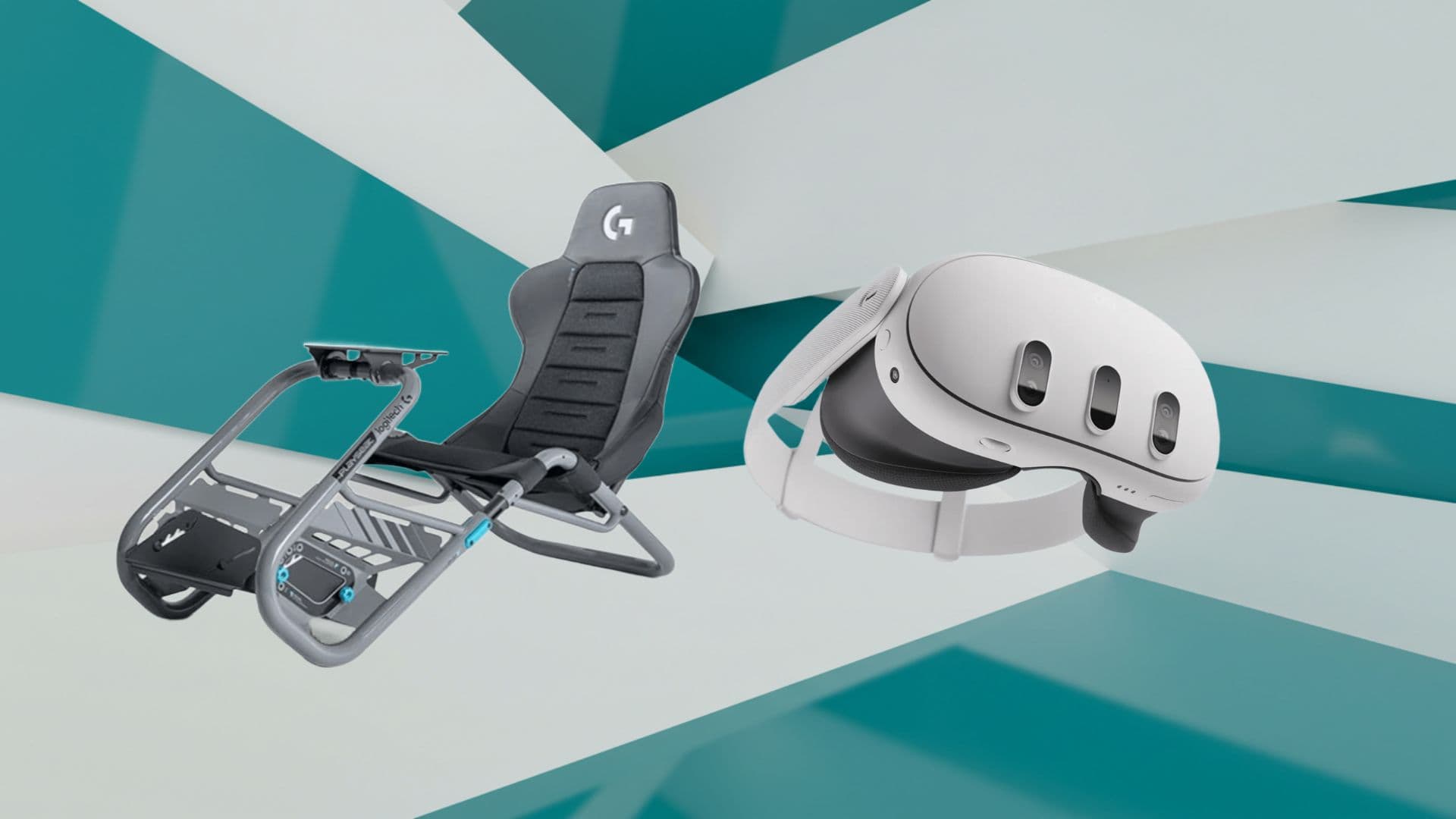
Mastering Meta Quest 3 for High‑Fidelity Sim Racing
Essential steps to transform your VR headset into the ultimate racing cockpit Transitioning from flat‑screen sim racing to the immersive realm of...
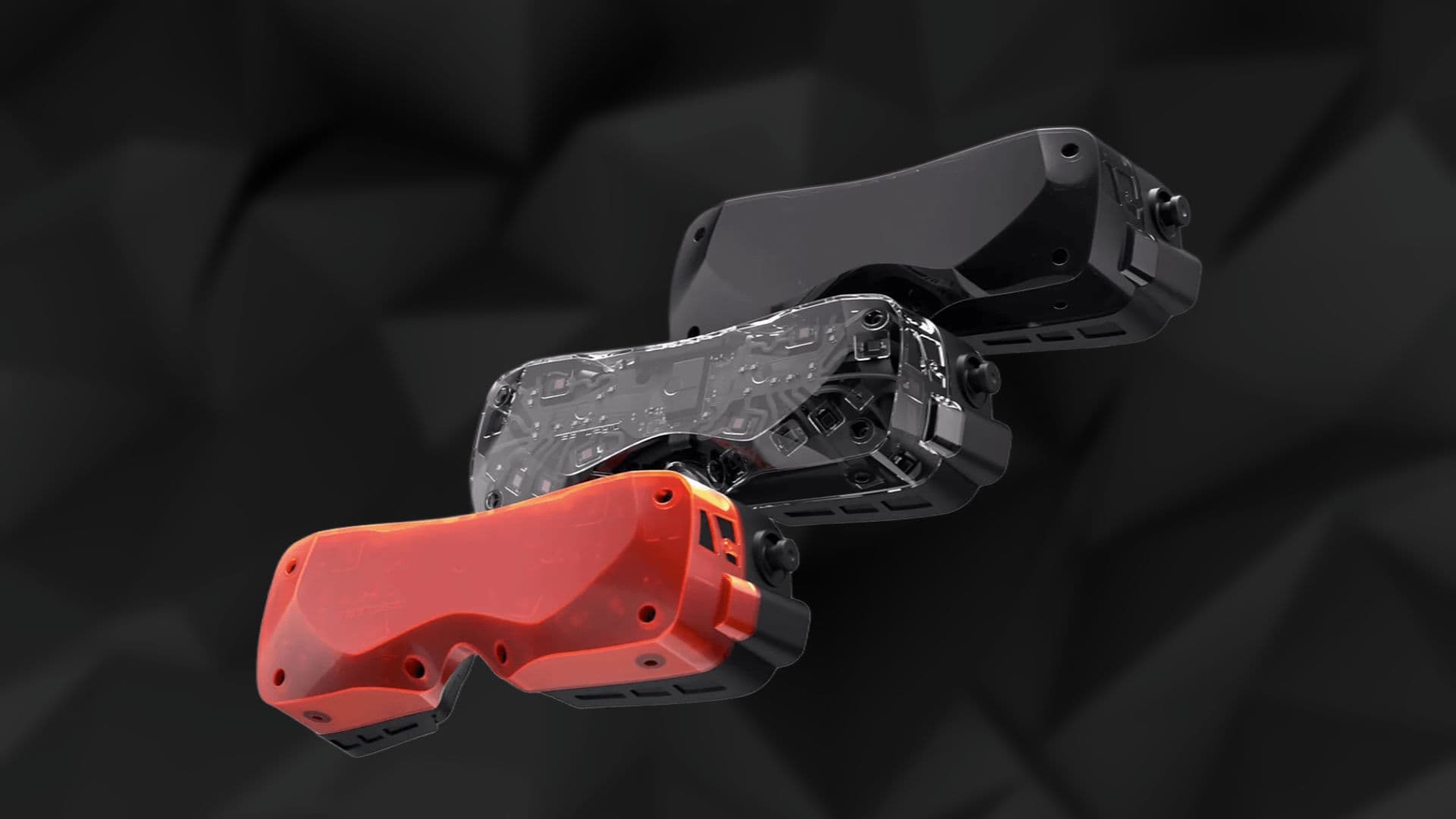
Bigscreen Beyond 2 Sets a New Standard in Immersive Technology
Enter a Realm Where Visual Precision and Ergonomic Excellence Converge The Bigscreen Beyond 2 reimagines virtual reality by fusing...

The Role of Machine Learning in Advancing VR Technologies
How Machine Learning is Revolutionizing Virtual Reality for Enhanced Experiences Imagine stepping into a virtual world where every movement you...

Top VR Games in 2025: Jurassic World, Red Matter, A Township Tale, Until You Fall, and Demeo
Discover the Most Anticipated Games of 2025 Transforming the Gaming Landscape As the gaming landscape evolves, 2025 promises to be a landmark year...
READY TO TRANSCEND?
Contact Virtual Reality Cape Town today and discover how we can transform your digital strategy through immersion.