
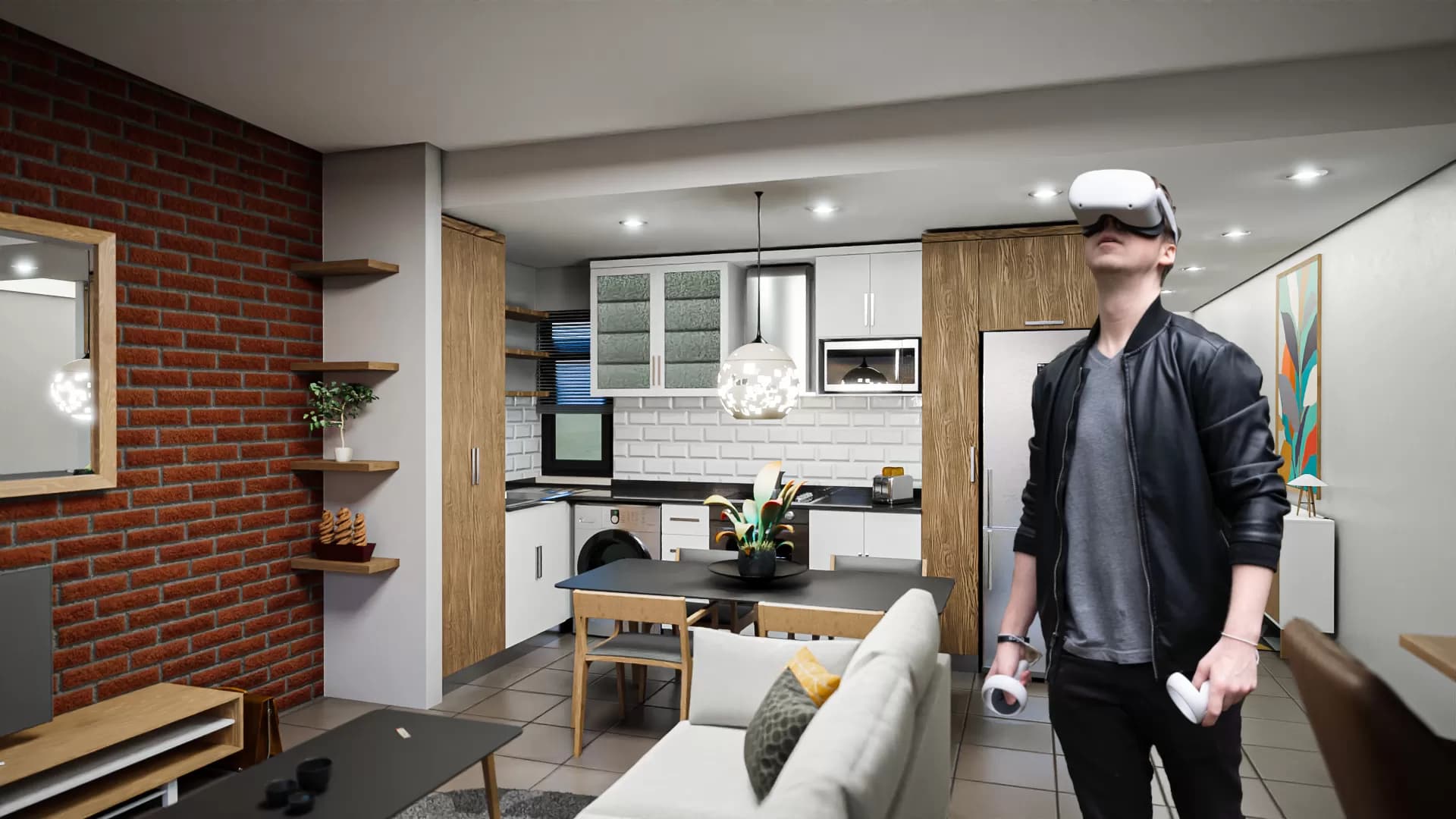
Virtual reality's potential in 3D modeling software
We develop high end Virtual Reality Applications.
Virtual Reality application development has traditionally relied heavily on 3D modeling, which must be extremely accurate and scaled to guarantee that the user is fully immersed in the scene. Almost everything humans have made in the actual world has been scaled for humans. As a result, our brains are unconsciously tuned to a specific standard for real-world size, and if that scale is slightly wrong within a virtual reality application, the brain will notice.
When creating a scene for a virtual reality application, the 3D artist uses a variety of assets from various creators to fill the scene and make it feel lived in and real. However, because the assets are coming from external sources, they may not be created to the same scale, this can cause scale issues. Fixing such flaws may be time-consuming, involve scaling things, injecting them into a game engine, and examining them in VR to confirm the scale is accurate. Not Anymore...
VR within 3D Software
Instead of working on a 2D monitor with a mouse and keyboard, Virtual Reality headsets can now be used as a modeling tool within 3D modeling software. You can now move within your 3D view port in 6Dof(6 Degrees of freedom) VR while creating your space, allowing you to notice any scale discrepancies almost immediately. This technology saves time by eliminating the need to go back and forth between game engines and 3D software.
This technique is also incredibly advantageous to the entire field of 3D art. The user experience is considerably more natural when utilizing a VR headset within 3D software, allowing traditional artists such as sculptors to create figures in a way that is familiar to them rather than using difficult and intimidating input techniques. This will lead to more individuals developing in 3D software, resulting in faster 3D technology development, lower asset production costs, and a better end product overall.
Potential Implementations
Virtual reality is the key to the fourth industrial revolution, and it will be employed in every professional sector we can think of. Its application in 3D software is only the beginning.
Intelligence Author
Gerald Ferreira
Pioneering South Africa's XR landscape for over 25 years, we transform global immersive trends into actionable innovation for the Mother City and beyond.
More From Virtual Reality
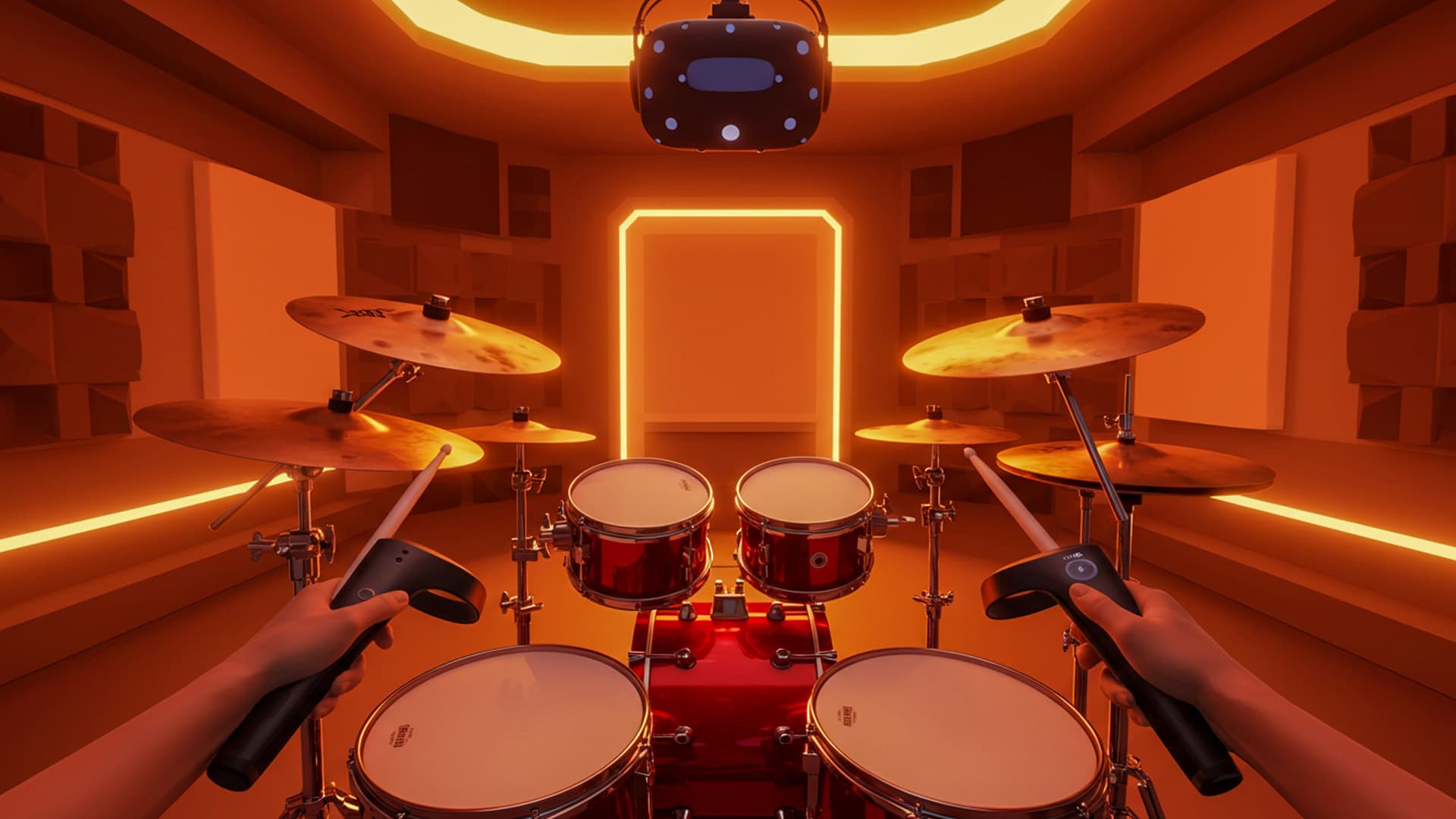
Making Music in VR with Patchworld
A Glimpse into Spatial Music Creation on Meta Quest 3 Put on a Meta Quest 3, boot up Patchworld, and the studio dissolves into a cathedral of...
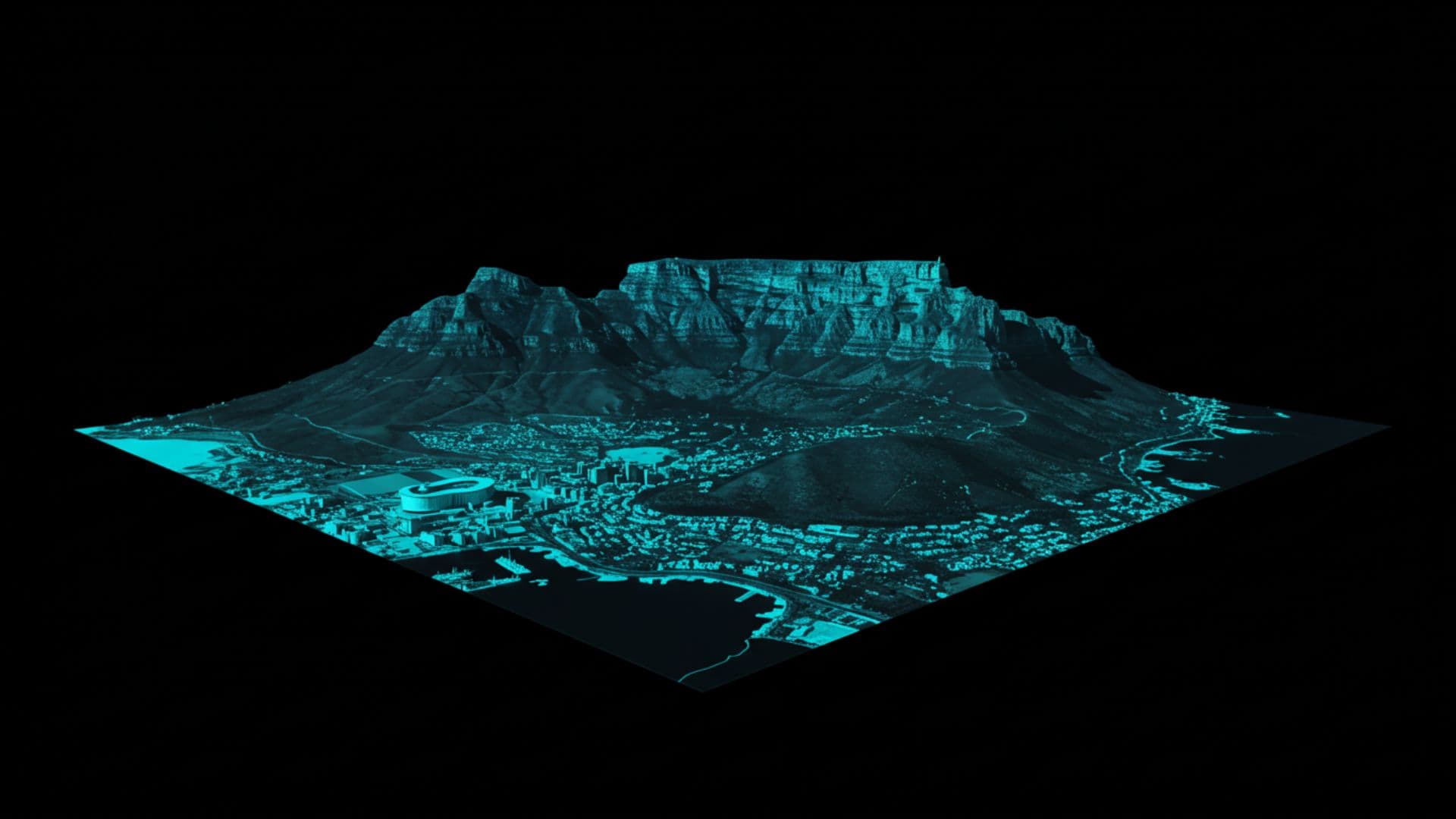
Revolutionizing Experiences: Virtual Reality in Cape Town
How Immersive Technologies Are Transforming Tourism, Education, and Culture in the Mother City Virtual reality (VR) is rapidly reshaping Cape...
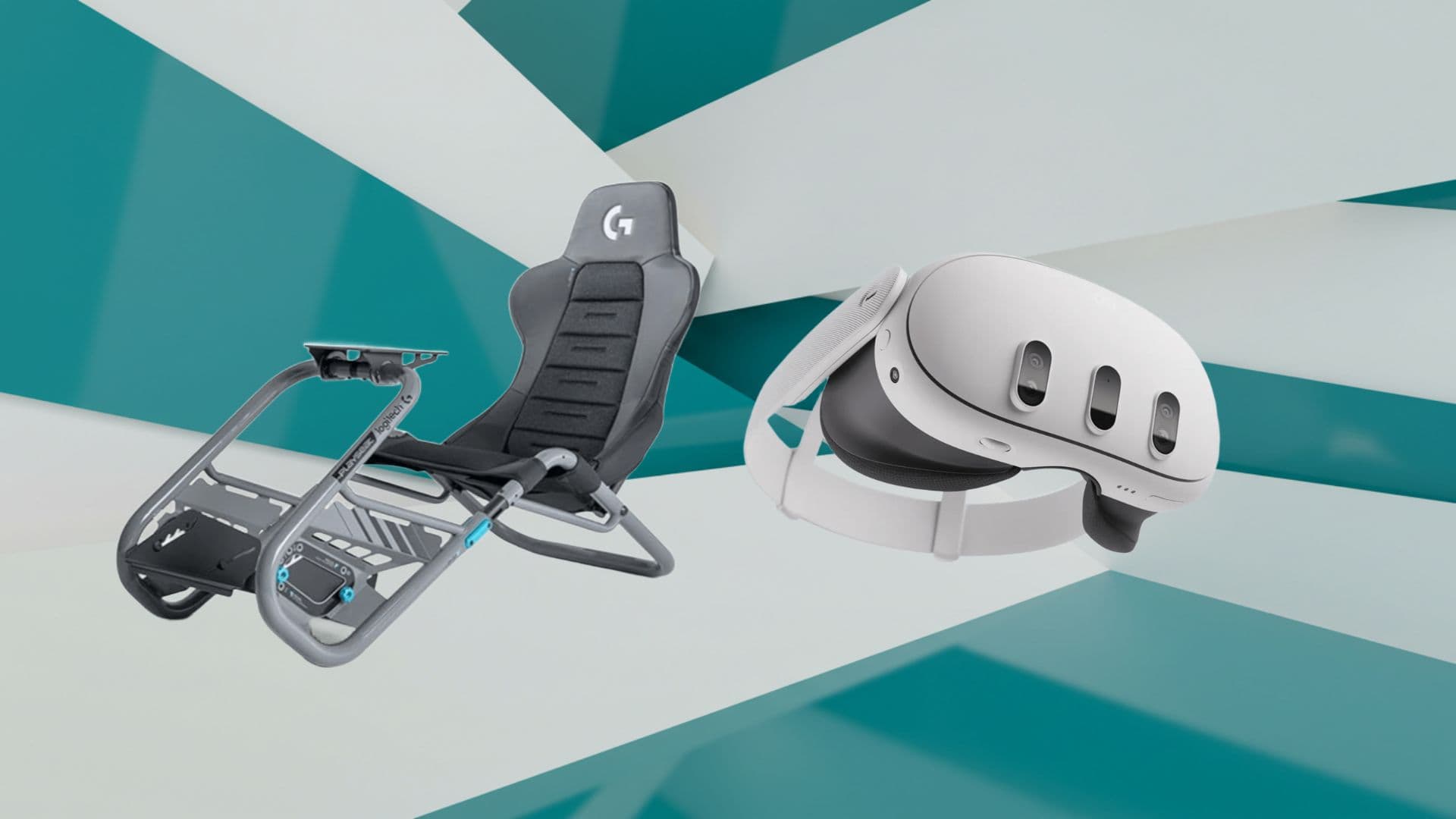
Mastering Meta Quest 3 for High‑Fidelity Sim Racing
Essential steps to transform your VR headset into the ultimate racing cockpit Transitioning from flat‑screen sim racing to the immersive realm of...
Bigscreen Beyond 2 Sets a New Standard in Immersive Technology
Enter a Realm Where Visual Precision and Ergonomic Excellence Converge The Bigscreen Beyond 2 reimagines virtual reality by fusing...
The Role of Machine Learning in Advancing VR Technologies
How Machine Learning is Revolutionizing Virtual Reality for Enhanced Experiences Imagine stepping into a virtual world where every movement you...

Top VR Games in 2025: Jurassic World, Red Matter, A Township Tale, Until You Fall, and Demeo
Discover the Most Anticipated Games of 2025 Transforming the Gaming Landscape As the gaming landscape evolves, 2025 promises to be a landmark year...
READY TO TRANSCEND?
Contact Virtual Reality Cape Town today and discover how we can transform your digital strategy through immersion.