How the Tourism Industry Can Benefit from Virtual Reality in Cape Town
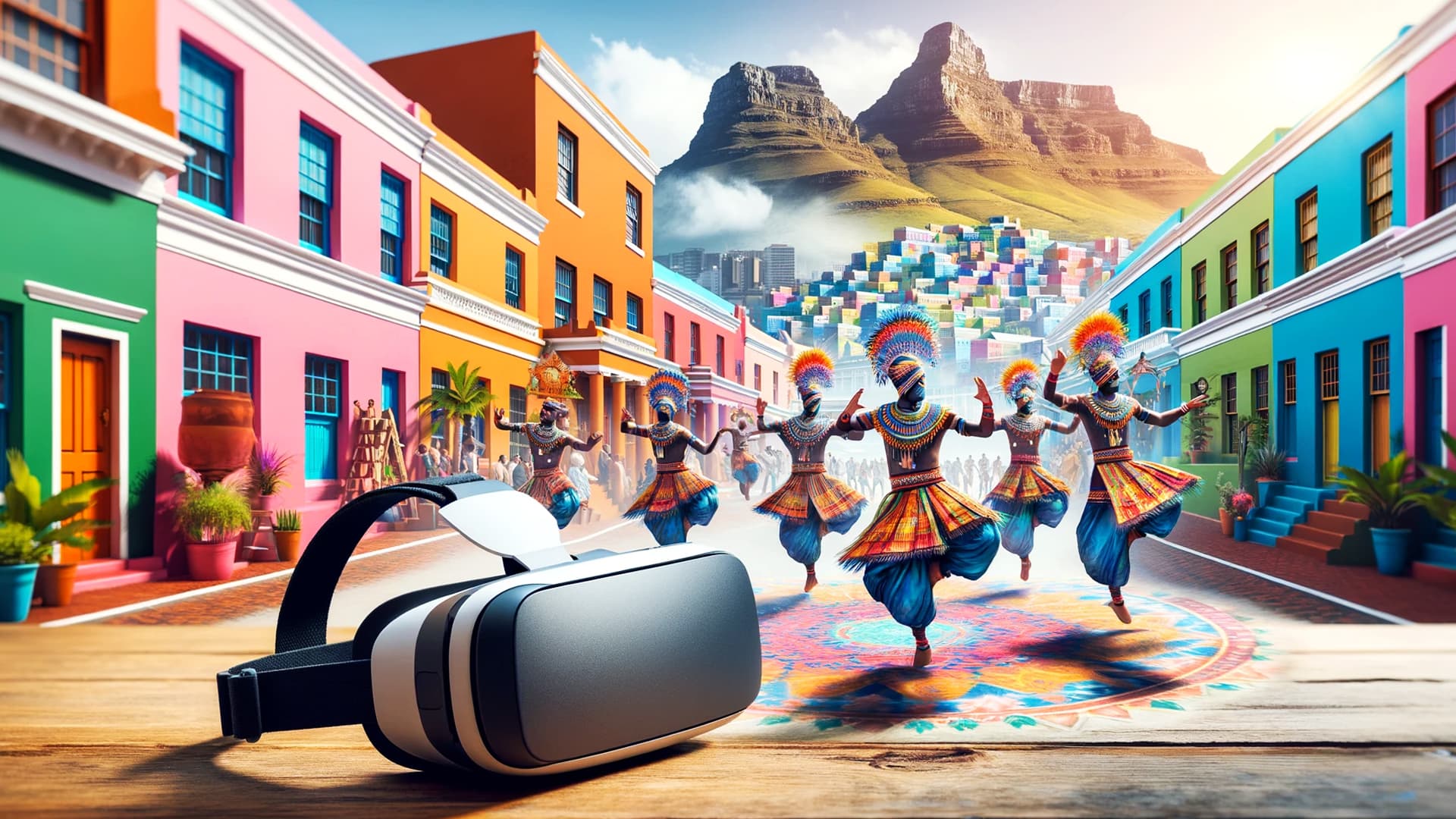
In recent years, Virtual Reality (VR) has emerged as a game-changer in various sectors, with the tourism industry being no exception. Cape Town...
In recent years, Virtual Reality (VR) has emerged as a game-changer in various sectors, with the tourism industry being no exception. Cape Town, South Africa's jewel, known for its breathtaking landscapes, rich history, and vibrant culture, stands on the cusp of a digital revolution. By integrating VR technology, Cape Town's tourism sector can enhance visitor experiences, making the city not just a destination but a vivid journey that begins from the moment of discovery. This article explores the multifaceted benefits of VR in transforming Cape Town into a leading-edge tourist haven.
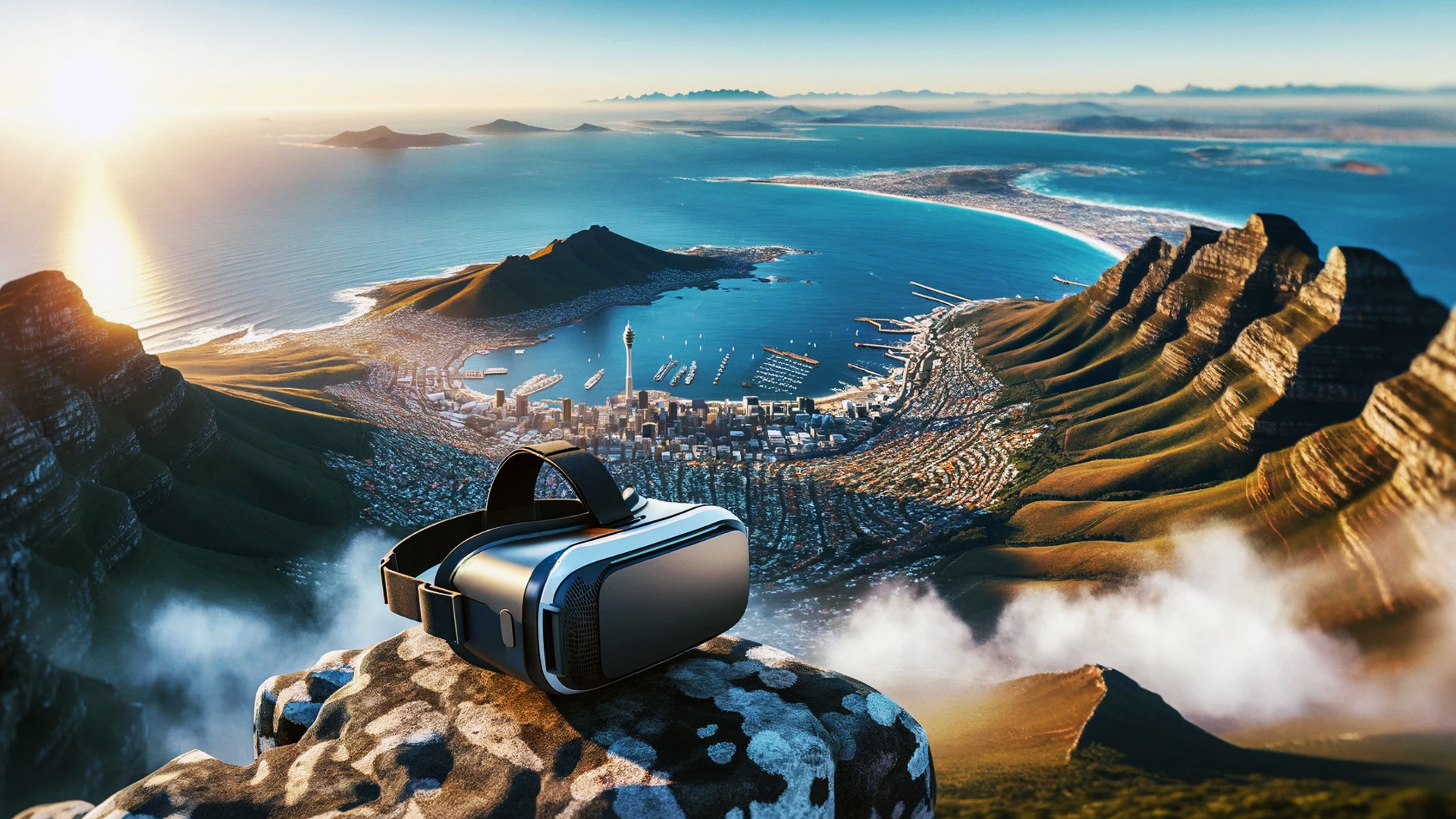
Cape Town, despite being a premier global tourist destination, faces several challenges in its tourism industry. These challenges range from seasonal fluctuations in tourist numbers to accessibility issues and the preservation of natural and cultural heritage. Virtual Reality (VR) technology offers innovative solutions to some of these challenges, providing new ways to attract, engage, and educate visitors. Below, we discuss the typical problems Cape Town faces in the tourism industry and how VR can be used to mitigate these challenges.
Seasonal Fluctuations
Accessibility and Inclusivity
Environmental Impact
Cultural Heritage Preservation
Safety and Security Concerns
Virtual Reality offers innovative solutions to some of the persistent challenges faced by Cape Town's tourism industry. By leveraging VR, Cape Town can enhance the accessibility and appeal of its attractions, promote sustainable tourism, preserve its cultural and natural heritage, and address the concerns of potential visitors. As VR technology continues to evolve, its role in shaping the future of tourism in Cape Town and beyond looks increasingly significant, offering a blueprint for how technology can support and sustain the global tourism industry.
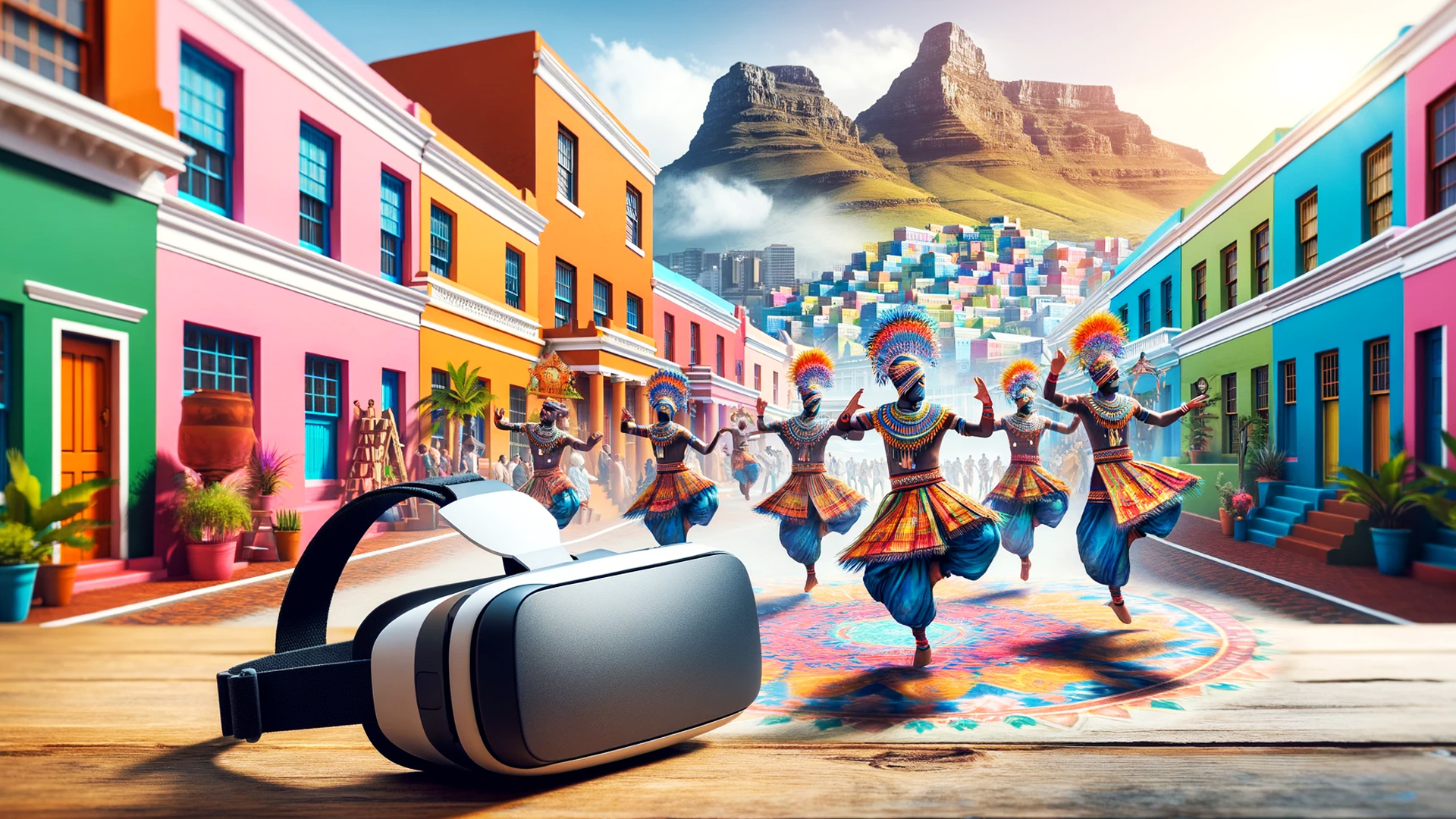
Imagine scaling the majestic Table Mountain, exploring the historic Robben Island, or wandering through the bustling streets of the V&A Waterfront from the comfort of your home. VR technology makes this possible, providing immersive previews that captivate potential visitors' imaginations. Such virtual experiences serve as powerful teasers, enticing tourists to explore the full depth of Cape Town's beauty in person.
Enhancing Accessibility and Inclusivity in Tourism
One of VR's most commendable applications is its ability to democratize access to travel. For individuals unable to travel due to physical limitations, financial constraints, or global health crises, VR opens up a world of exploration. Through virtual tours, Cape Town can welcome a broader audience, fostering a spirit of inclusivity and extending its warm hospitality beyond physical borders.
Marketing and Promotions Reinvented
The traditional brochure is transformed through VR, offering interactive and engaging marketing campaigns that showcase Cape Town's tourism offerings in vivid detail. Tour operators, hotels, and attractions can leverage VR to create compelling narratives that connect with audiences on an emotional level, driving interest and bookings. Virtual reality travel fairs and exhibitions also present innovative platforms for Cape Town to reach global markets, showcasing the city's attractions in an immersive and memorable way.
Educational Opportunities and Cultural Preservation
Beyond entertainment, VR serves as a potent educational tool. Virtual tours of museums, heritage sites, and cultural experiences not only entertain but also educate visitors about Cape Town's history and cultural richness. This technology plays a crucial role in preserving intangible cultural heritage, allowing future generations to experience and learn from the past.
Boosting Off-Peak Tourism
Seasonality poses a significant challenge in the tourism industry. VR can help mitigate this by promoting attractions that are especially appealing during off-peak seasons. By balancing the tourist flow throughout the year, Cape Town can ensure a sustainable tourism model that avoids overcrowding and enhances the visitor experience regardless of the season.
Real Estate and Accommodation Previews
The real estate sector, particularly holiday rentals and hotels, can significantly benefit from VR technology. Offering virtual tours of accommodations helps build trust and confidence among potential guests, leading to increased bookings. This transparency and immersive preview can make the difference in a highly competitive market.
Virtual Reality stands as a beacon of innovation for the tourism industry in Cape Town. By embracing VR, Cape Town can offer enriched, accessible, and sustainable tourist experiences that resonate with the digital age. This technology not only promises to elevate Cape Town's global appeal but also fosters a more inclusive and educated world, drawn together by the universal language of awe-inspiring experiences.
Call to Action
For tourism businesses in Cape Town, the message is clear: the future is virtual. Integrating VR technology into your offerings is not just an enhancement; it's a leap towards redefining the tourism experience. Visit Virtual Reality Cape Town to explore how VR solutions can transform your business and contribute to the vibrant tapestry of Cape Town's tourism industry.
Intelligence Author
Gerald Ferreira
Pioneering South Africa's XR landscape for over 25 years, we transform global immersive trends into actionable innovation for the Mother City and beyond.
More From Virtual Reality
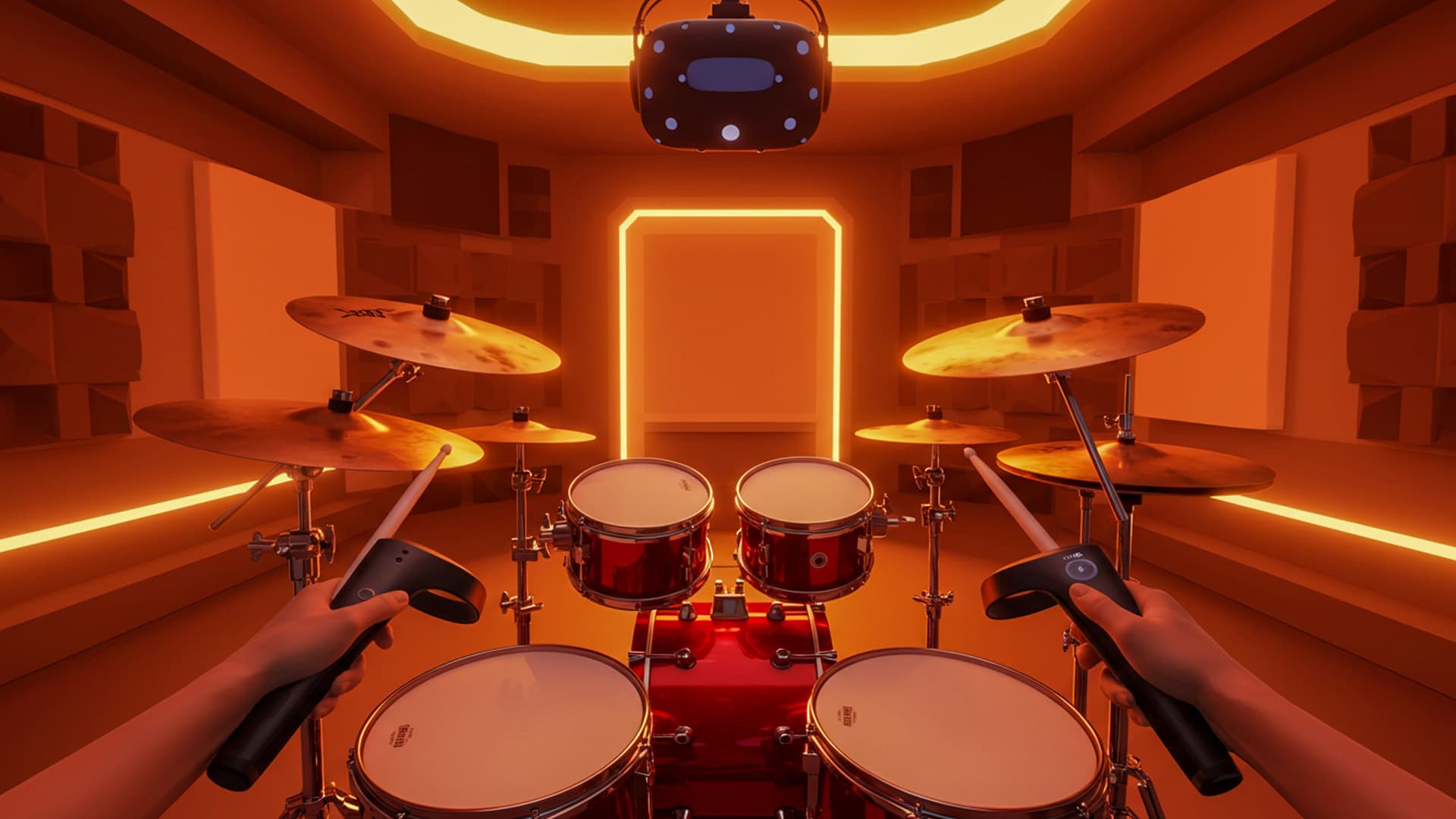
Making Music in VR with Patchworld
A Glimpse into Spatial Music Creation on Meta Quest 3 Put on a Meta Quest 3, boot up Patchworld, and the studio dissolves into a cathedral of...
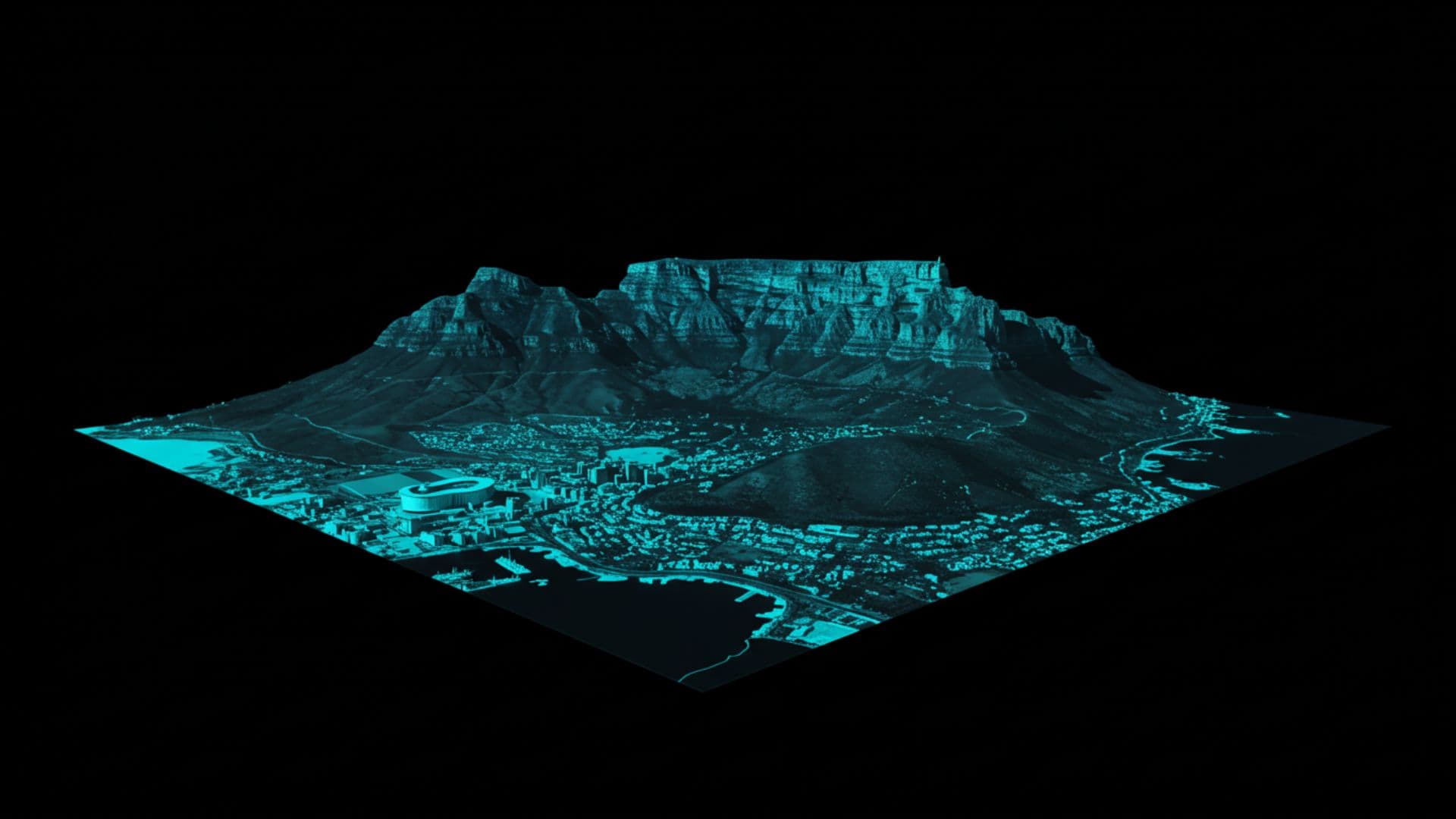
Revolutionizing Experiences: Virtual Reality in Cape Town
How Immersive Technologies Are Transforming Tourism, Education, and Culture in the Mother City Virtual reality (VR) is rapidly reshaping Cape...
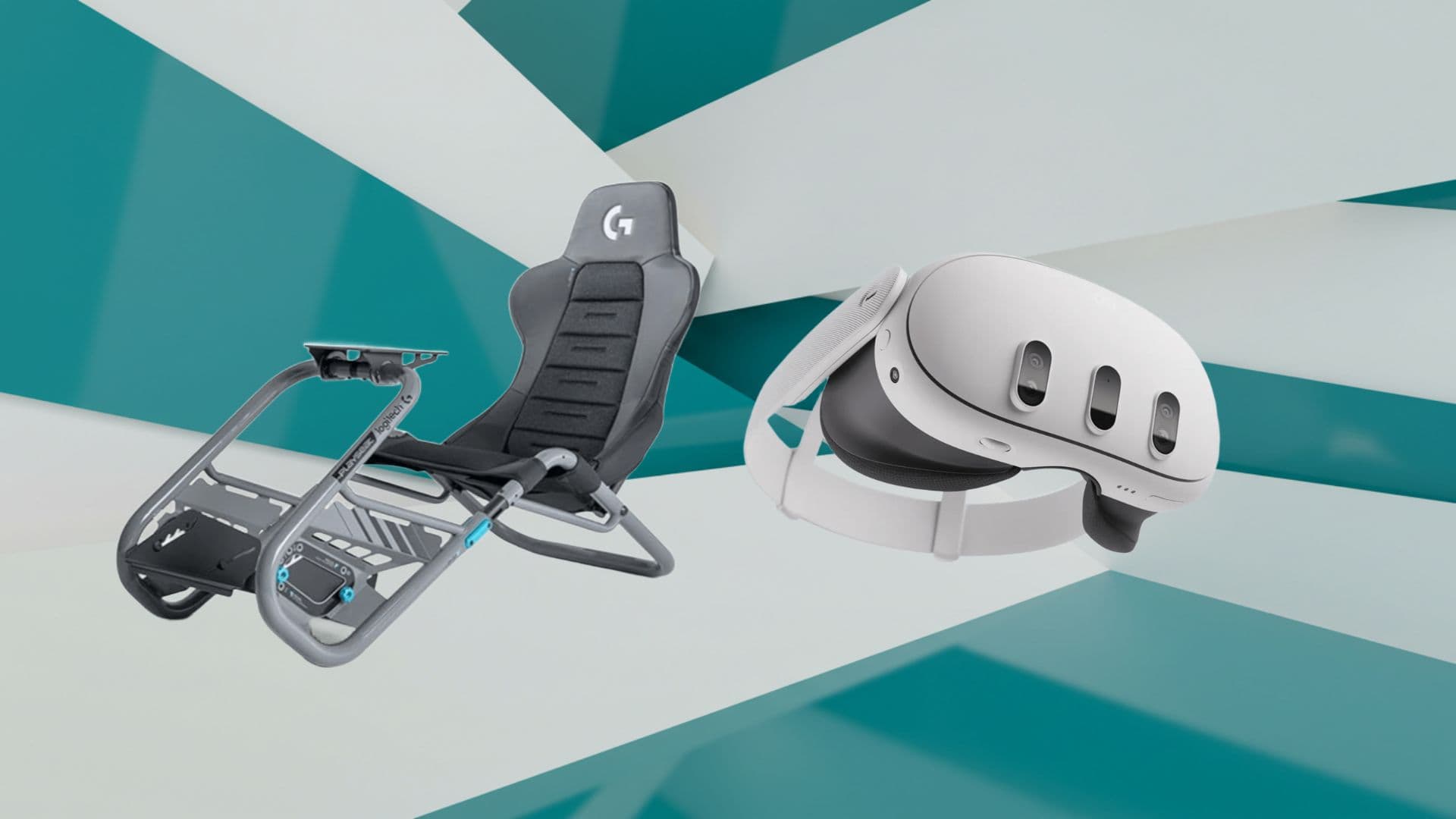
Mastering Meta Quest 3 for High‑Fidelity Sim Racing
Essential steps to transform your VR headset into the ultimate racing cockpit Transitioning from flat‑screen sim racing to the immersive realm of...
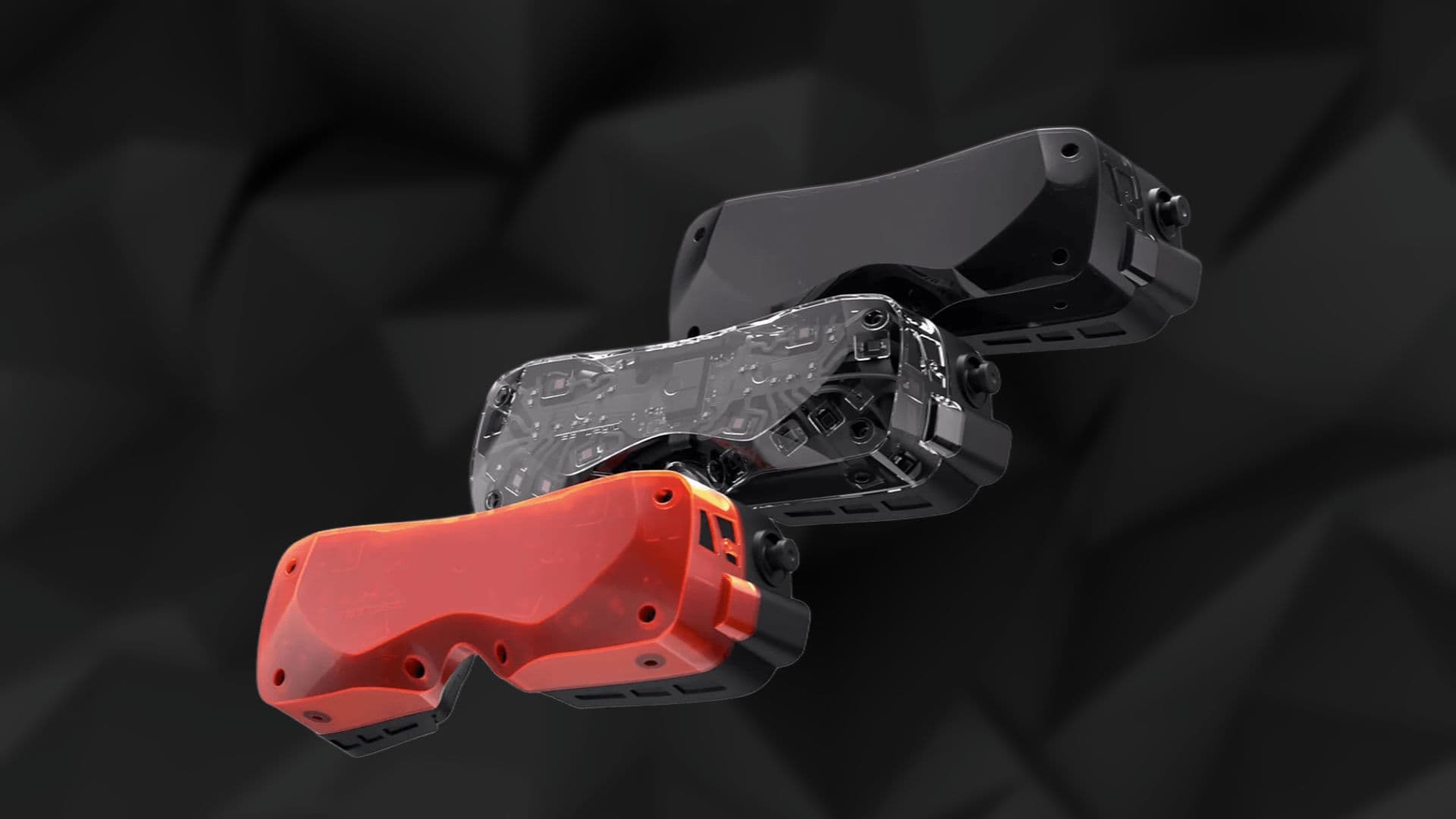
Bigscreen Beyond 2 Sets a New Standard in Immersive Technology
Enter a Realm Where Visual Precision and Ergonomic Excellence Converge The Bigscreen Beyond 2 reimagines virtual reality by fusing...

The Role of Machine Learning in Advancing VR Technologies
How Machine Learning is Revolutionizing Virtual Reality for Enhanced Experiences Imagine stepping into a virtual world where every movement you...

Top VR Games in 2025: Jurassic World, Red Matter, A Township Tale, Until You Fall, and Demeo
Discover the Most Anticipated Games of 2025 Transforming the Gaming Landscape As the gaming landscape evolves, 2025 promises to be a landmark year...
READY TO TRANSCEND?
Contact Virtual Reality Cape Town today and discover how we can transform your digital strategy through immersion.