
How will artificial intelligence impact Virtual Reality in the near future
In recent years, the rapid advancement of artificial intelligence (AI) and virtual reality (VR) has heralded a new era of technological...
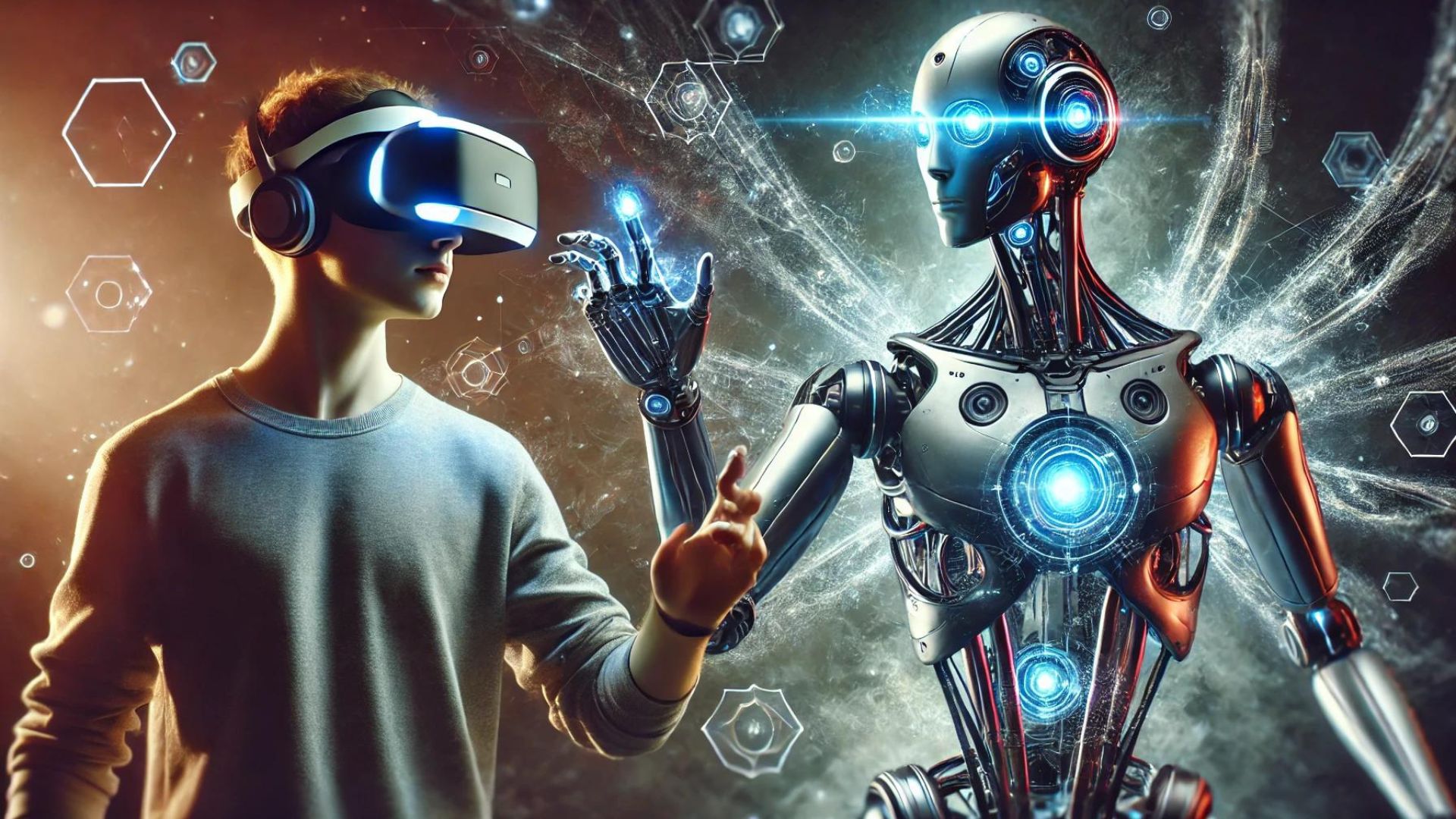
In recent years, the rapid advancement of artificial intelligence (AI) and virtual reality (VR) has heralded a new era of technological innovation. These two fields, while powerful on their own, are beginning to converge, promising to revolutionize our digital experiences. The fusion of AI and VR is not merely an incremental improvement but a transformative leap that holds immense potential. By integrating AI's capabilities with VR's immersive environments, we can expect to see profound changes in how we interact with digital content, learn, heal, and socialize.
The Convergence of AI and VR
The fusion of artificial intelligence and virtual reality heralds a monumental leap in the realm of technology. With AI's intricate algorithms that continuously learn and evolve, combined with VR's ability to create immersive, interactive worlds, the synergy between these technologies is profound. Picture virtual realms where surroundings dynamically respond to user actions, and avatars display genuine emotions and cognitive behaviors. This integration not only elevates the user experience to unprecedented heights but also paves the way for groundbreaking advancements across numerous industries. The potential for innovation is vast, offering transformative possibilities in fields ranging from healthcare to education, entertainment, and beyond.
The Potential of AI in Transforming VR Experiences
The transformative potential of AI in the realm of VR is immense. Integrating AI with VR transcends traditional scripted interactions, introducing dynamic, personalized, and highly captivating environments. This fusion promises VR experiences that are not just more immersive, but also remarkably intuitive and responsive. Imagine gaming landscapes or training simulations that adapt and evolve based on individual user behaviors, crafting unique and profoundly engaging scenarios each time. The result is an unparalleled level of interactivity, where the virtual world continuously reshapes itself, creating an experience that feels both alive and deeply tailored to the user.
Enhancing Immersive Experiences
Intelligent Environment Adaptation: AI-Driven Personalization
One of the most exhilarating aspects of integrating AI with VR is the potential for intelligent environment adaptation. By analyzing user preferences and behaviors, AI can tailor the virtual environment to significantly boost user engagement. Imagine a VR game where the AI seamlessly adjusts difficulty levels, transforms environments, or introduces fresh challenges based on the player's performance. This level of personalization keeps users consistently engaged and challenged, ensuring that their experience remains satisfying and immersive.
The AI's ability to dynamically alter the virtual landscape in real-time creates a sense of responsiveness and uniqueness for each user, enhancing the overall enjoyment and depth of the experience. Whether in gaming, educational simulations, or professional training scenarios, this intelligent adaptation by AI ensures that the VR environment evolves to meet and exceed user expectations, offering an ever-evolving and captivating journey.
Realistic Interactions: AI-Powered NPCs and Avatars
AI-powered non-player characters (NPCs) and avatars are fundamentally transforming interactions within virtual reality. These AI-driven entities exhibit remarkably lifelike behaviors, responding to user actions in real-time and continuously learning from each interaction. This level of sophistication adds significant depth to VR experiences, making them more engaging and convincingly realistic. Imagine educational simulations where AI-driven characters provide tailored guidance or social VR platforms where avatars interact with nuanced emotional intelligence. The realism and responsiveness of these AI entities create a sense of genuine presence, enhancing the overall experience. The meaningful interactions facilitated by AI-powered characters not only elevate the immersive quality of VR but also offer profound potential for education, training, and entertainment. By infusing virtual environments with intelligent, adaptive NPCs and avatars, the boundaries of what is possible in VR are continually expanding, promising richer, more interactive experiences.
Sensory Augmentation: Elevating VR through AI
Sensory augmentation represents an exciting frontier where AI significantly enhances virtual reality. By integrating AI, VR systems can simulate real-world sensory experiences with unprecedented accuracy. AI can elevate visual fidelity, refine soundscapes, and even replicate tactile feedback, creating a compelling illusion of reality. This heightened sensory experience allows users to engage with VR in a manner that closely mirrors real-life interactions.
The implications are profound, especially in fields such as training and therapy, where realistic simulations are essential. Imagine training scenarios where the visuals are so crisp and the sounds so precise that they replicate the actual environment, or therapeutic settings where patients can feel tactile feedback that aids in rehabilitation. These advancements not only make VR more immersive but also significantly enhance its practical applications, providing users with a more authentic and effective experience.
The continuous development in sensory augmentation through AI promises to push the boundaries of what virtual reality can achieve, making it a powerful tool across various sectors.
Revolutionizing VR Development
AI in VR Content Creation: Automated and Assisted Design
AI is revolutionizing VR content creation through advanced automated and assisted design tools, significantly transforming the development landscape. These sophisticated tools leverage AI to streamline the creation process, drastically reducing the time and effort required to craft intricate virtual environments. AI can generate complex textures, implement realistic lighting, and even construct entire landscapes autonomously, enabling creators to focus more on refining and enhancing the user experience.
This level of automation not only accelerates the development timeline but also democratizes VR content creation, making it accessible to individuals without extensive technical expertise. Imagine designers effortlessly conjuring vivid virtual worlds with the aid of AI, where the minutiae of environmental details are meticulously handled by intelligent algorithms. The result is a vibrant, dynamic VR ecosystem where creativity flourishes, unhindered by technical constraints. By lowering the barrier to entry, AI empowers a broader spectrum of creators to contribute to the ever-expanding universe of virtual reality, fostering innovation and diversity in VR experiences.
Predictive Analytics: Enhancing User Engagement and Experience
Predictive analytics, driven by AI, are pivotal in elevating user engagement and experience in virtual reality. By meticulously analyzing user data, AI can forecast user preferences and behaviors, enabling developers to customize experiences with precision. This predictive prowess ensures that VR content remains consistently relevant and engaging, offering users personalized experiences that align with their individual tastes and requirements. In gaming, this might translate to adaptive difficulty levels and dynamic storylines, while in education, it could mean tailored learning paths that respond to a student's progress and needs. In entertainment, predictive analytics can curate content that aligns perfectly with the viewer's preferences, enhancing their overall enjoyment. This level of customization transforms the user experience from generic to uniquely tailored, making each interaction within the virtual environment more immersive and satisfying. By leveraging the power of predictive analytics, developers can create VR experiences that not only captivate but also deeply resonate with users, fostering a more profound connection to the virtual world.
Streamlining Production: AI-Enhanced Workflow Efficiency
AI is revolutionizing VR production workflows by making the development process more efficient and cost-effective. AI-driven tools are capable of automating repetitive tasks, optimizing resource allocation, and enhancing project management. This surge in efficiency permits developers to concentrate on the creative elements, thereby elevating the quality of the final product. Furthermore, AI plays a crucial role in testing and debugging, ensuring that VR experiences are thoroughly polished and devoid of technical issues prior to release. Imagine a production environment where routine tasks are seamlessly handled by AI, freeing up valuable time for developers to innovate and refine their creations.
AI’s ability to streamline workflows not only accelerates the development cycle but also reduces costs, making high-quality VR content more accessible. By assisting in every phase of production, from initial design to final testing, AI ensures a smoother, more efficient process, resulting in VR experiences that are both cutting-edge and reliable. This transformation in workflow management underscores AI's potential to enhance productivity and foster creativity in the realm of virtual reality.
AI-Driven Learning and Training in VR
Personalized Learning Paths: AI’s Role in Education and Training Simulations
In the realm of education and training, AI-driven VR provides highly personalized learning paths tailored to individual needs. AI meticulously evaluates a learner's strengths and weaknesses, dynamically adjusting content and pace to suit their unique requirements. This individualized approach significantly enhances learning outcomes, ensuring each learner receives the precise support necessary to excel. Imagine an educational setting where AI continually adapts to the learner’s progress, offering challenging yet attainable goals and providing instant feedback. In training simulations, AI crafts realistic scenarios that evolve based on the learner’s performance, creating an immersive and effective learning environment.
This adaptability not only maintains engagement but also accelerates skill acquisition and retention. By transforming static learning modules into responsive and interactive experiences, AI-driven VR revolutionizes education and training, making it more efficient, engaging, and impactful. Whether in academic institutions or professional development settings, this personalized approach ensures learners are equipped with the knowledge and skills they need to thrive.
Skill Assessment and Feedback: Real-Time AI Analytics
AI's real-time analytics capabilities are transforming skill assessment and feedback in VR training. By continuously monitoring performance, AI can identify areas for improvement and deliver immediate, actionable feedback. This instant analysis allows learners to correct mistakes as they occur, significantly accelerating the learning process. Moreover, AI's ability to track long-term progress provides valuable insights into overall performance and development.
This continuous feedback loop is crucial for effective learning and skill acquisition, as it ensures that learners receive timely guidance and can make adjustments to their techniques and strategies. Imagine a training environment where AI meticulously observes every action, highlights errors, and suggests improvements in real time. This dynamic interaction not only enhances the learning experience but also boosts confidence and competence. By integrating real-time analytics, AI ensures that VR training is not just a one-time event but a continuous journey of improvement, making it an indispensable tool for skill development across various fields.
Virtual Mentorship: AI Tutors and Coaches
AI-powered virtual tutors and coaches are revolutionizing education and training within VR. These AI entities deliver guidance, answer questions, and offer personalized support tailored to each learner’s needs. Unlike traditional learning environments, AI tutors are accessible 24/7, ensuring learners receive instant assistance whenever they need it. This constant availability allows learners to progress at their own pace, overcoming challenges with timely, tailored help. Imagine a virtual classroom where AI tutors provide immediate feedback, explain complex concepts, and adapt teaching methods based on individual learning styles. This level of personalized attention ensures that learners remain engaged and motivated, steadily working towards their goals without the constraints of traditional schedules. By making high-quality education and training more accessible, AI tutors empower learners to achieve their full potential, transforming how knowledge and skills are acquired in the digital age.
Healthcare and Therapy Innovations
AI in Medical VR Applications: From Diagnostics to Treatment
AI is making significant strides in medical VR applications, from diagnostics to treatment. AI algorithms can analyze medical data, identify patterns, and assist in diagnosing conditions. In treatment, VR can provide immersive simulations for surgical training or therapeutic exercises. AI enhances these applications by adapting treatments to individual patients, ensuring that each patient receives the most effective care. This combination of AI and VR holds promise for improving healthcare outcomes and accessibility.
Virtual Rehabilitation: AI-Enhanced Therapeutic Experiences
Virtual rehabilitation is another field where the combination of AI and VR is making a profound impact. AI-driven systems can develop personalized rehabilitation programs tailored to each patient's unique needs and progress. VR offers an engaging and motivating environment for patients to perform their therapeutic exercises, making the rehabilitation process more enjoyable and effective. AI continuously monitors performance, adjusting exercises in real-time and providing immediate feedback, ensuring patients remain aligned with their rehabilitation goals. This dynamic approach allows for a more responsive and adaptable therapy regimen, addressing the evolving needs of patients as they recover. The result is a more efficient and effective recovery process, where patients receive the precise interventions they need at every stage of their rehabilitation. This integration of AI and VR not only enhances the quality of care but also empowers patients by providing a supportive and interactive pathway to recovery.
Mental Health: AI-Driven VR Therapies and Interventions
In the realm of mental health, AI-driven VR therapies and interventions are opening up innovative avenues for treatment. VR environments can immerse patients in safe, controlled settings where they can explore and address their thoughts and emotions. AI enhances these therapeutic sessions by dynamically adjusting the virtual environment and interactions based on the patient's responses and progress. This personalized approach not only enhances engagement but also tailors the therapeutic experience to meet the specific needs of each individual.
By creating a more immersive and responsive therapeutic environment, AI-driven VR therapies have the potential to significantly improve mental health outcomes. Patients can benefit from a supportive and adaptive treatment approach that encourages exploration and facilitates emotional healing in a virtual space designed for their comfort and progress. This integration of AI and VR represents a promising frontier in mental health care, offering new possibilities for effective, personalized therapy.

Social and Collaborative VR Spaces
Creating Lifelike Social Interactions: AI in Virtual Communities
AI is revolutionizing social interactions in VR through the creation of lifelike virtual communities. AI-driven avatars are capable of exhibiting realistic behaviors, emotions, and social cues, thereby enhancing the authenticity and engagement of interactions within virtual spaces. These virtual communities act as dynamic social hubs, facilitating connections between individuals across the globe. AI plays a crucial role in ensuring that these interactions are meaningful and enjoyable, fostering a genuine sense of connection and community in the digital realm. Imagine participating in social gatherings where AI-powered avatars engage in natural conversations, express emotions, and react intuitively to social cues, creating an immersive and vibrant social environment. This integration of AI in VR not only enriches social experiences but also expands opportunities for global collaboration, cultural exchange, and interpersonal growth. By leveraging AI to simulate realistic social dynamics, VR communities are evolving into dynamic spaces where individuals can interact, connect, and build relationships in unprecedented ways.
Enhancing Remote Collaboration: AI Tools for Virtual Workspaces
AI tools are revolutionizing remote collaboration in virtual workspaces, enabling seamless teamwork across diverse locations. AI facilitates communication, task management, and real-time feedback, ensuring projects progress smoothly and efficiently. These virtual workspaces, enhanced by AI, replicate the dynamics of physical office environments, fostering a sense of presence and collaboration among team members. Imagine virtual meetings where AI coordinates discussions, delegates tasks, and offers instant insights, mimicking the efficiency of face-to-face interactions.
This integration of AI in virtual workspaces not only enhances productivity but also stimulates innovation by promoting continuous engagement and idea exchange. By transcending geographical barriers, AI-powered virtual workspaces empower teams to collaborate effectively, leveraging diverse talents and perspectives to achieve shared goals. As remote work becomes increasingly prevalent, AI's role in enhancing collaboration proves essential for driving organizational success and adapting to evolving work environments.
Security and Moderation: AI’s Role in Safe VR Environments
Security and moderation are paramount in creating safe VR environments, and AI plays a pivotal role in achieving this. AI-powered systems can actively monitor virtual spaces to detect and respond to inappropriate behavior, enforce community guidelines, and uphold user safety protocols. This proactive approach to security ensures that VR communities maintain a positive and welcoming atmosphere. AI-driven moderation tools excel in swiftly identifying and addressing potential issues, thereby safeguarding users and promoting a secure and enjoyable experience for all participants. By leveraging AI's capabilities in real-time monitoring and intervention, VR platforms can effectively mitigate risks, foster trust among users, and uphold the integrity of their virtual environments.
Challenges and Ethical Considerations
Privacy Concerns: Navigating Data Security in AI and VR
As AI and VR continue to evolve together, addressing privacy concerns becomes increasingly critical. AI systems often rely on substantial amounts of data to operate effectively, which raises significant questions about data security and user privacy. Safeguarding user data and ensuring ethical use are paramount considerations in the development of AI-driven VR technologies. Developers must prioritize implementing robust security measures to protect sensitive information and be transparent about data collection and usage practices. This transparency is crucial for building and maintaining trust with users, reassuring them that their privacy rights are respected. By adhering to stringent privacy standards and ethical guidelines, developers can mitigate risks and promote responsible use of AI in VR.
Ethical AI: Ensuring Fair and Bias-Free Algorithms
Ethical considerations are foundational in the development of AI for VR. Ensuring that AI algorithms are unbiased and fair is crucial for creating inclusive and equitable virtual experiences. Developers must rigorously test and refine AI systems to mitigate biases and ensure that all users are treated fairly, regardless of background or identity.
This commitment to ethical AI development not only fosters trust among users but also ensures that the benefits of AI and VR technology are accessible to everyone, promoting a more inclusive digital landscape. By prioritizing fairness and transparency in AI algorithms, developers uphold ethical standards that align with societal values and regulatory frameworks, thereby advancing the responsible integration of AI in virtual reality.
The Future of Work: Societal Impacts of AI-Enhanced VR
The integration of AI and VR is poised to bring about profound societal impacts, particularly in the realm of future work. As AI-driven VR tools become increasingly pervasive, they are set to revolutionize industries, presenting new job opportunities and reshaping the landscape of work. This technological evolution holds great promise for enhancing productivity, creativity, and collaboration in various sectors. However, it also raises important considerations about job displacement and the demand for new skills.
Society must proactively prepare for these changes by prioritizing education and skill development initiatives that equip workers with the competencies needed to succeed in an AI-enhanced environment. This includes fostering digital literacy, promoting lifelong learning, and cultivating adaptability in the face of technological advancements. By investing in training programs and supporting workforce transitions, societies can ensure that individuals are empowered to harness the full potential of AI and VR technologies. Moreover, addressing ethical and regulatory frameworks around AI usage will be crucial in mitigating potential societal challenges and ensuring equitable access to opportunities.
In navigating this transformative era, collaboration between stakeholders—including governments, industries, educational institutions, and communities—will be essential to foster inclusive growth and sustainable development. By embracing innovation while safeguarding workforce resilience, societies can navigate the future of work with confidence and prepare for a more dynamic and interconnected global economy.
The Road Ahead: Predictions and Future Trends
Looking ahead, the convergence of AI and VR promises to continue evolving, driving innovation across various sectors. Future trends may include even more sophisticated AI algorithms, hyper-realistic VR environments, and new applications in fields such as education, healthcare, and entertainment. As these technologies advance, the possibilities are virtually limitless.
Embracing the Synergy of AI and VR for a Better Tomorrow
Embracing the synergy of AI and VR offers the potential to create a better, more connected world. By harnessing the power of these technologies, we can enhance learning, improve healthcare, foster social connections, and drive innovation. As we navigate this exciting frontier, it is essential to approach it with a commitment to ethical development, inclusivity, and the responsible use of technology.
Intelligence Author
Gerald Ferreira
Pioneering South Africa's XR landscape for over 25 years, we transform global immersive trends into actionable innovation for the Mother City and beyond.
More From Virtual Reality
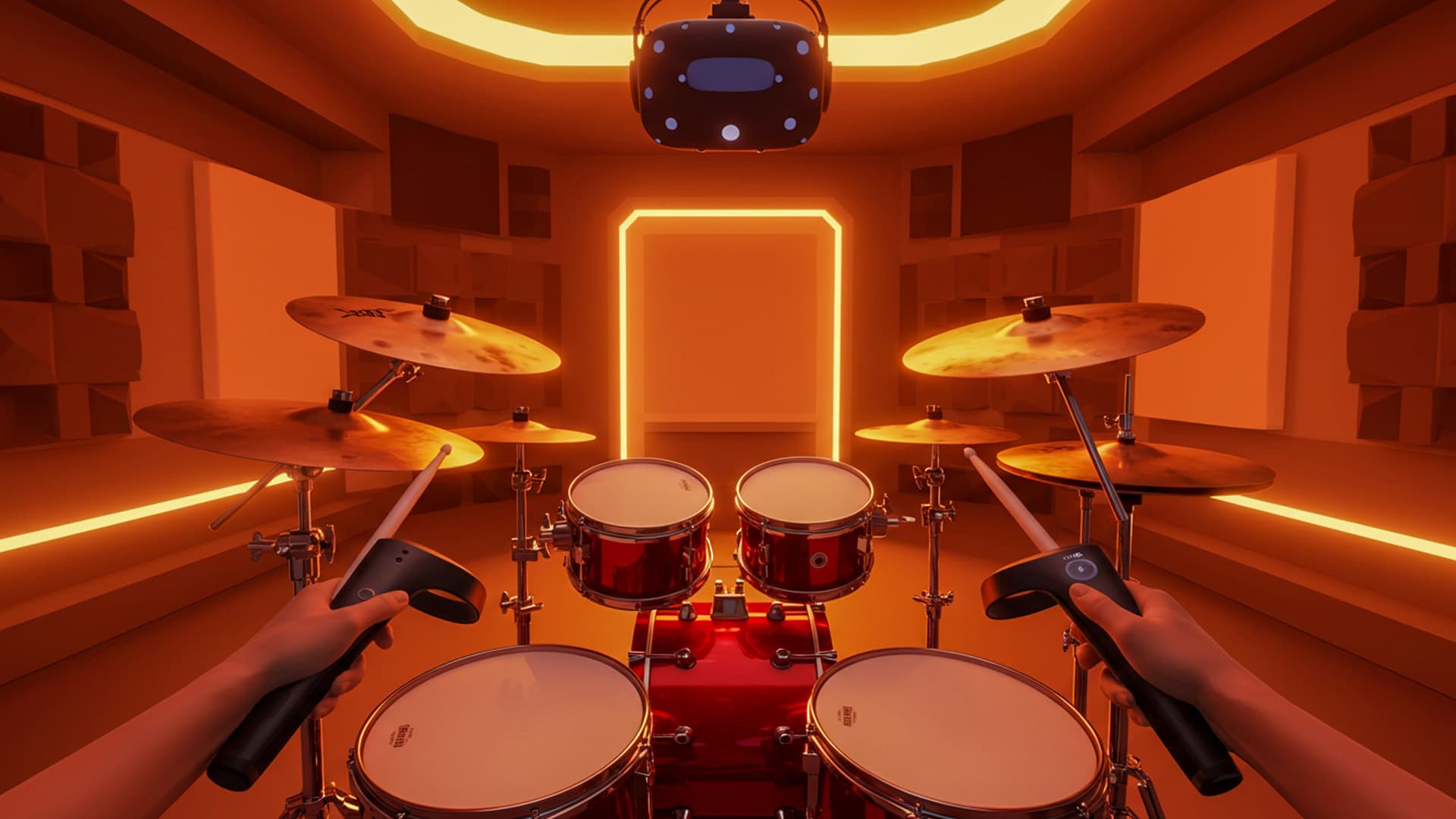
Making Music in VR with Patchworld
A Glimpse into Spatial Music Creation on Meta Quest 3 Put on a Meta Quest 3, boot up Patchworld, and the studio dissolves into a cathedral of...

Revolutionizing Experiences: Virtual Reality in Cape Town
How Immersive Technologies Are Transforming Tourism, Education, and Culture in the Mother City Virtual reality (VR) is rapidly reshaping Cape...
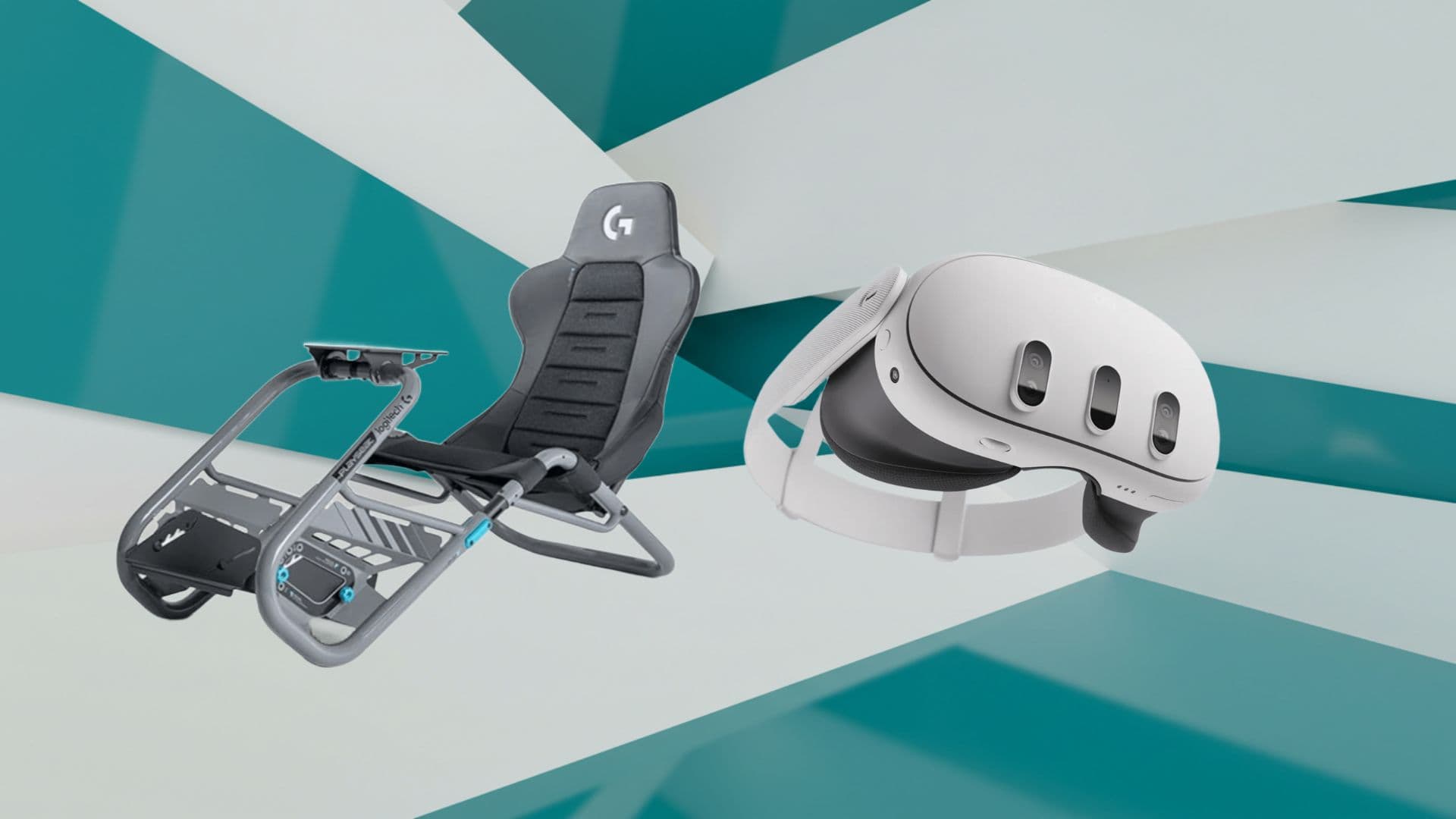
Mastering Meta Quest 3 for High‑Fidelity Sim Racing
Essential steps to transform your VR headset into the ultimate racing cockpit Transitioning from flat‑screen sim racing to the immersive realm of...
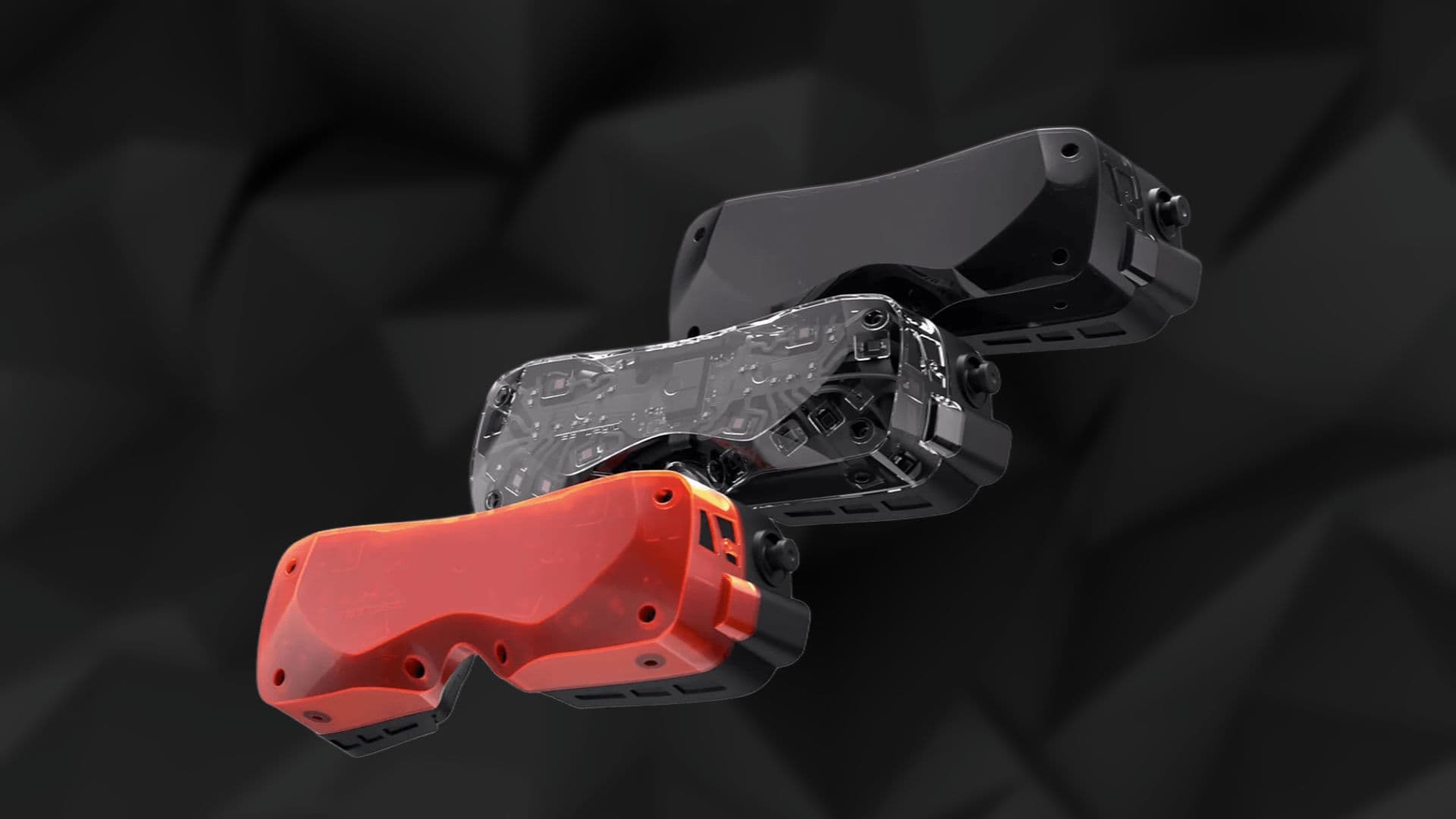
Bigscreen Beyond 2 Sets a New Standard in Immersive Technology
Enter a Realm Where Visual Precision and Ergonomic Excellence Converge The Bigscreen Beyond 2 reimagines virtual reality by fusing...

The Role of Machine Learning in Advancing VR Technologies
How Machine Learning is Revolutionizing Virtual Reality for Enhanced Experiences Imagine stepping into a virtual world where every movement you...

Top VR Games in 2025: Jurassic World, Red Matter, A Township Tale, Until You Fall, and Demeo
Discover the Most Anticipated Games of 2025 Transforming the Gaming Landscape As the gaming landscape evolves, 2025 promises to be a landmark year...
READY TO TRANSCEND?
Contact Virtual Reality Cape Town today and discover how we can transform your digital strategy through immersion.