

What is Virtual Reality?
Virtual reality (VR) is a simulated experience that can be similar to or completely different from the real world. VR is typically achieved by wearing a headset that provides a 360-degree view of a virtual environment, which can be explored and interacted with by the user.
Virtual reality (VR) is a simulated experience that can be similar to or completely different from the real world. VR is typically achieved by wearing a headset that provides a 360-degree view of a virtual environment, which can be explored and interacted with by the user.
The headset typically includes sensors that track the user's movements and adjust the virtual environment accordingly, creating the illusion that the user is actually in the virtual world. This technology is often used for gaming and other forms of entertainment, but it can also be used for educational and training purposes.
Virtual reality, or VR, is a computer-generated simulation of a three-dimensional image or environment that can be interacted with in a seemingly real or physical way by a person using special electronic equipment, such as a helmet with a screen inside or gloves fitted with sensors.
With VR, you can experience and explore environments that would be impossible or impractical to visit in real life, such as outer space, the bottom of the ocean, or the inside of a volcano. You can also use VR to play games, watch movies, or attend events in a fully immersive way. Some people also use VR as a therapeutic tool to help with a variety of conditions, such as anxiety or post-traumatic stress disorder (PTSD).
Virtual Reality in Gaming
Virtual reality (VR) is a technology that allows users to experience and interact with a computer-generated environment as if it were real. In the context of gaming, VR allows players to fully immerse themselves in a digital game world, using special headsets and other equipment to experience the game in a more realistic and interactive way. VR gaming is still a relatively new technology, but it is growing in popularity and is being used in a wide range of games, from action and adventure games to puzzle and simulation games.
Some of the most popular VR games currently available include Beat Saber, Arizona Sunshine, and Half-Life: Alyx.
Explain Virtual Reality in Education
Virtual reality (VR) technology is also being used in the field of education. VR can be a powerful tool for helping students learn and retain information, as it allows them to experience a subject matter in a more immersive and interactive way.
For example, VR can be used to take students on virtual field trips to places they might not otherwise be able to visit, such as the bottom of the ocean or the surface of Mars. It can also be used to simulate historical events or experiments, giving students a more hands-on and engaging way to learn about a wide range of subjects. Additionally, VR can be used to help students with learning disabilities or other challenges by providing them with a more interactive and engaging learning environment.
Virtual Reality in Mining
Virtual reality (VR) is a technology that allows users to experience and interact with a computer-generated environment as if it were real. In the context of mining, VR can be used to create simulations of mining operations, allowing workers to train and practice in a safe and controlled environment. This can be especially useful for dangerous or complex tasks, such as operating heavy machinery or navigating underground tunnels. Additionally, VR can be used to design and plan mining operations, allowing engineers to visualize the layout of a mine and identify potential issues before construction begins.
Virtual Reality in Tourism
Virtual reality (VR) technology can be used in the tourism industry to provide immersive experiences for tourists.
For example, VR can be used to create virtual tours of museums, historical sites, and other attractions, allowing tourists to explore these places from the comfort of their own homes.
Additionally, VR can be used to create simulations of exotic locations, such as tropical islands or ancient ruins, allowing tourists to experience these places without having to travel.
By using VR, tourism companies can provide unique and engaging experiences for their customers, and make it possible for people to visit places that they might not be able to in real life.
Virtual Reality in Healthcare
Virtual reality (VR) technology is also being used in the field of healthcare. VR can be a powerful tool for helping doctors and other healthcare professionals diagnose and treat patients, as well as for training new doctors and other healthcare workers. For example, VR can be used to create realistic simulations of medical procedures, allowing doctors to practice and improve their skills without risking harm to real patients.
VR can also be used to help patients with chronic pain or other conditions by providing them with immersive and engaging distraction therapy, which can help to reduce their pain and improve their overall quality of life. Additionally, VR is being used in the field of psychology to help treat patients with anxiety, post-traumatic stress disorder (PTSD), and other mental health conditions.
Explain the Metaverse and Virtual Reality
The metaverse is a term used to describe the concept of a virtual world that is created by the convergence of the physical and digital realms. It is a shared, interactive space that can be accessed by multiple users at the same time, allowing them to communicate and interact with each other as well as with digital objects and environments.
Virtual reality (VR) technology is often seen as a key component of the metaverse, as it allows users to fully immerse themselves in digital environments and interact with them in a more realistic and intuitive way. The metaverse is often discussed in the context of science fiction and futuristic technologies, but it is also being explored in the realm of real-world applications, such as gaming, education, and healthcare.
What is the future of virtual reality
The future of virtual reality (VR) is difficult to predict with certainty, as it will likely be shaped by a wide range of factors, including advances in technology, changing consumer preferences, and the emergence of new applications for VR. However, it is likely that VR will continue to evolve and become more widely adopted in the coming years, with potential applications in fields such as gaming, education, healthcare, and entertainment.
Some experts predict that VR will become more mainstream and accessible, with the development of lighter and more affordable VR headsets and other hardware. Others believe that VR will become increasingly integrated into our daily lives, with the emergence of new technologies such as augmented reality (AR) and mixed reality (MR), which combine VR with the real world. Ultimately, the future of VR is likely to be marked by continued innovation and experimentation, as developers and users explore the full potential of this technology.
What is the difference between augmented reality and virtual reality
Augmented reality (AR) and virtual reality (VR) are both technologies that allow users to experience and interact with digital content in a more immersive and realistic way. However, there are some key differences between the two.
Virtual reality is a fully immersive digital environment, in which the user is completely cut off from the real world and can only interact with the virtual environment. VR typically involves the use of special headsets or other hardware that block out the real world and create the illusion of being inside a digital world.
Augmented reality, on the other hand, involves the overlay of digital content on the real world. With AR, users can see and interact with the real world, but with digital elements added to it, such as text, images, or videos. AR typically involves the use of smartphones, tablets, or other portable devices equipped with cameras and sensors that can detect and track the real-world environment and add digital content to it.
In summary, VR creates a fully digital environment, while AR adds digital elements to the real world.
Artificial Intelligence (AI) and Virtual Reality (VR)
Artificial intelligence (AI) is a technology that allows computers and other devices to simulate human intelligence and perform tasks that would typically require human intelligence, such as learning, problem-solving, and decision-making.
In the context of virtual reality (VR), AI can be used to create more immersive and interactive VR experiences. For example, AI can be used to generate realistic and dynamic virtual environments, with objects and characters that behave in a more lifelike manner. AI can also be used to provide users with more personalized and interactive VR experiences, by tracking their actions and preferences and adapting the VR environment accordingly.
Additionally, AI can be used to help developers create and test VR experiences more efficiently, by automating certain tasks and providing valuable insights into user behavior. Overall, AI has the potential to significantly enhance the capabilities of VR technology and make it more accessible and useful for a wide range of applications.
Virtual reality (VR) technology has the potential to benefit the world in a number of ways.
Some of the potential benefits of VR include:
Overall, VR has the potential to significantly improve and enhance many aspects of our lives, by providing us with more immersive and interactive ways to learn, communicate, and engage with the world around us.
VR technology has already come a long way in recent years, with the development of more affordable and user-friendly VR headsets and other hardware, as well as a growing number of VR games, apps, and other content. Some experts believe that VR will become more mainstream and accessible within the next few years, as the technology continues to improve and more people become interested in using it. Others believe that it may take longer for VR to become fully mainstream, as it will require significant advances in technology and the development of new applications and uses for VR. Ultimately, the timeline for VR to become mainstream is difficult to predict with certainty, but it is clear that the technology is already making significant strides in that direction.
Intelligence Author
Gerald Ferreira
Pioneering South Africa's XR landscape for over 25 years, we transform global immersive trends into actionable innovation for the Mother City and beyond.
More From Virtual Reality
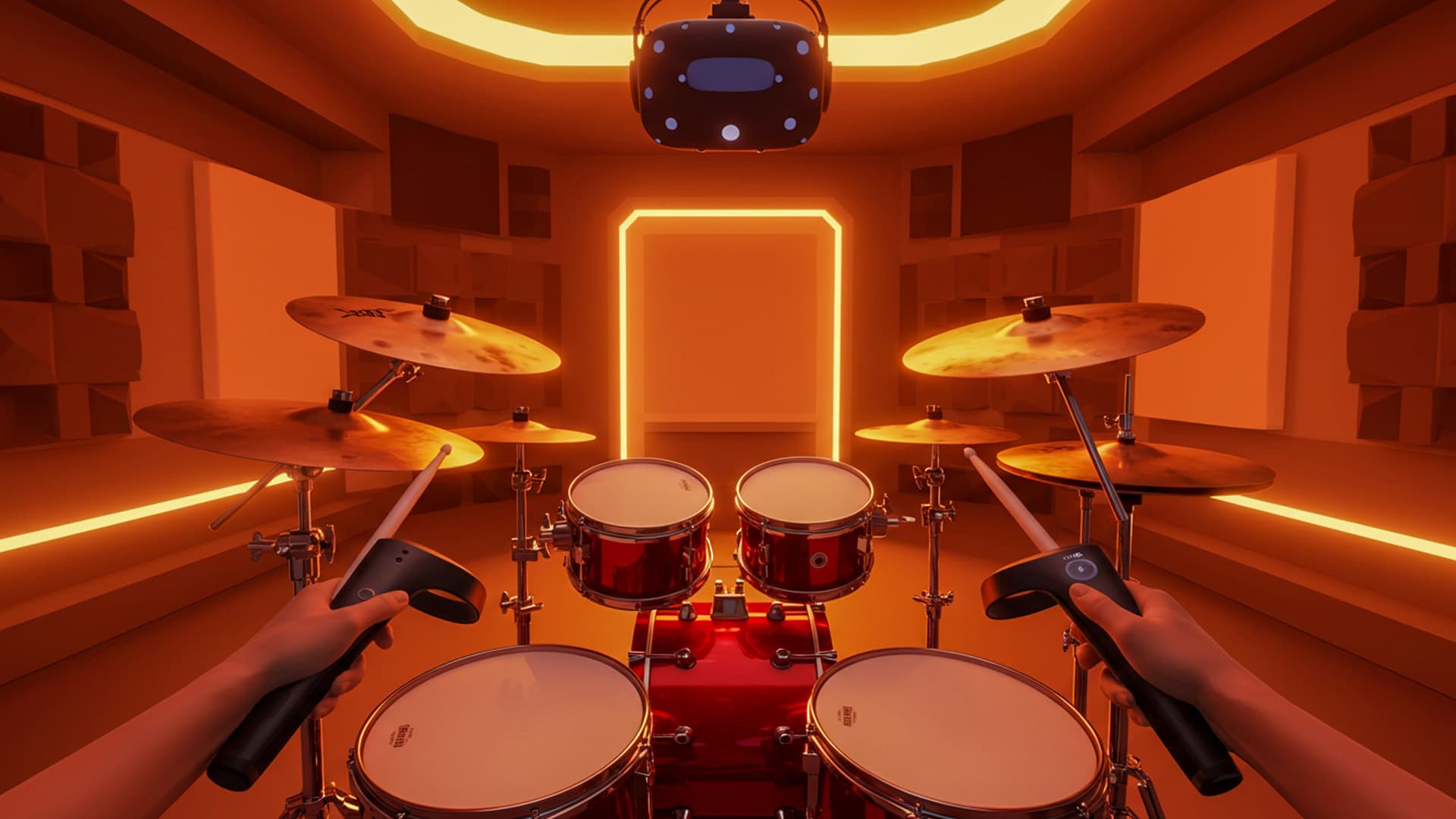
Making Music in VR with Patchworld
A Glimpse into Spatial Music Creation on Meta Quest 3 Put on a Meta Quest 3, boot up Patchworld, and the studio dissolves into a cathedral of...

Revolutionizing Experiences: Virtual Reality in Cape Town
How Immersive Technologies Are Transforming Tourism, Education, and Culture in the Mother City Virtual reality (VR) is rapidly reshaping Cape...
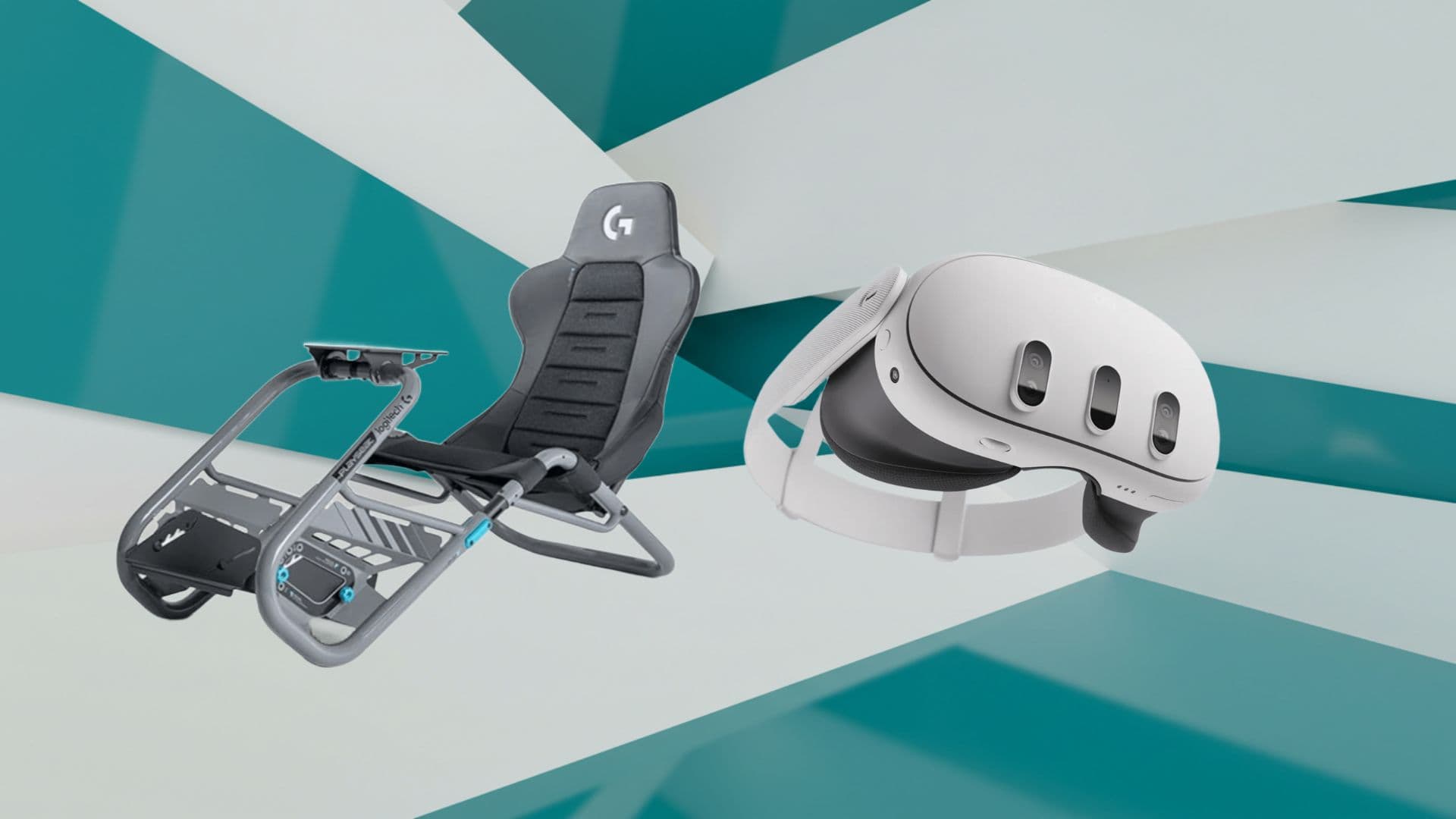
Mastering Meta Quest 3 for High‑Fidelity Sim Racing
Essential steps to transform your VR headset into the ultimate racing cockpit Transitioning from flat‑screen sim racing to the immersive realm of...
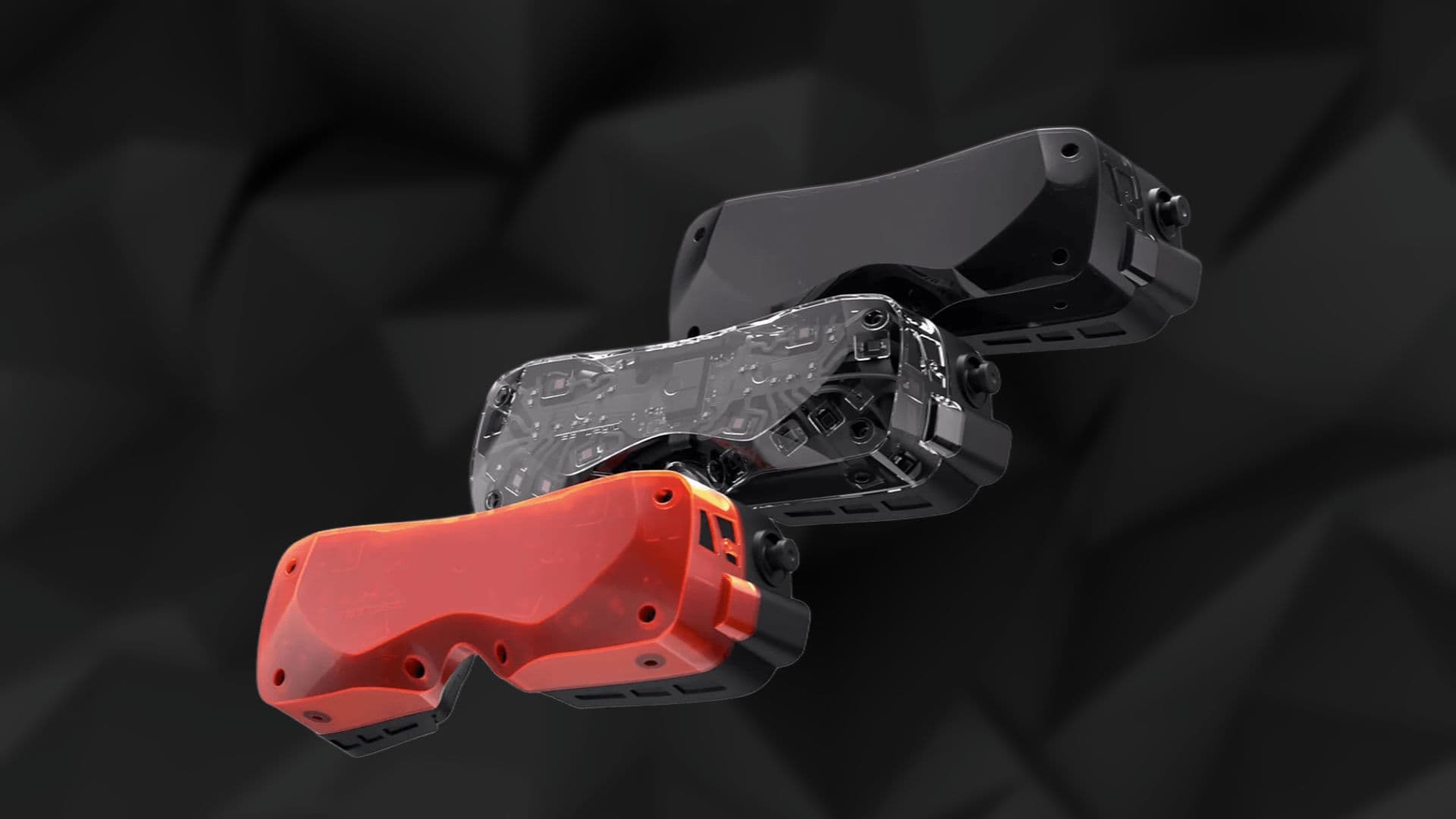
Bigscreen Beyond 2 Sets a New Standard in Immersive Technology
Enter a Realm Where Visual Precision and Ergonomic Excellence Converge The Bigscreen Beyond 2 reimagines virtual reality by fusing...
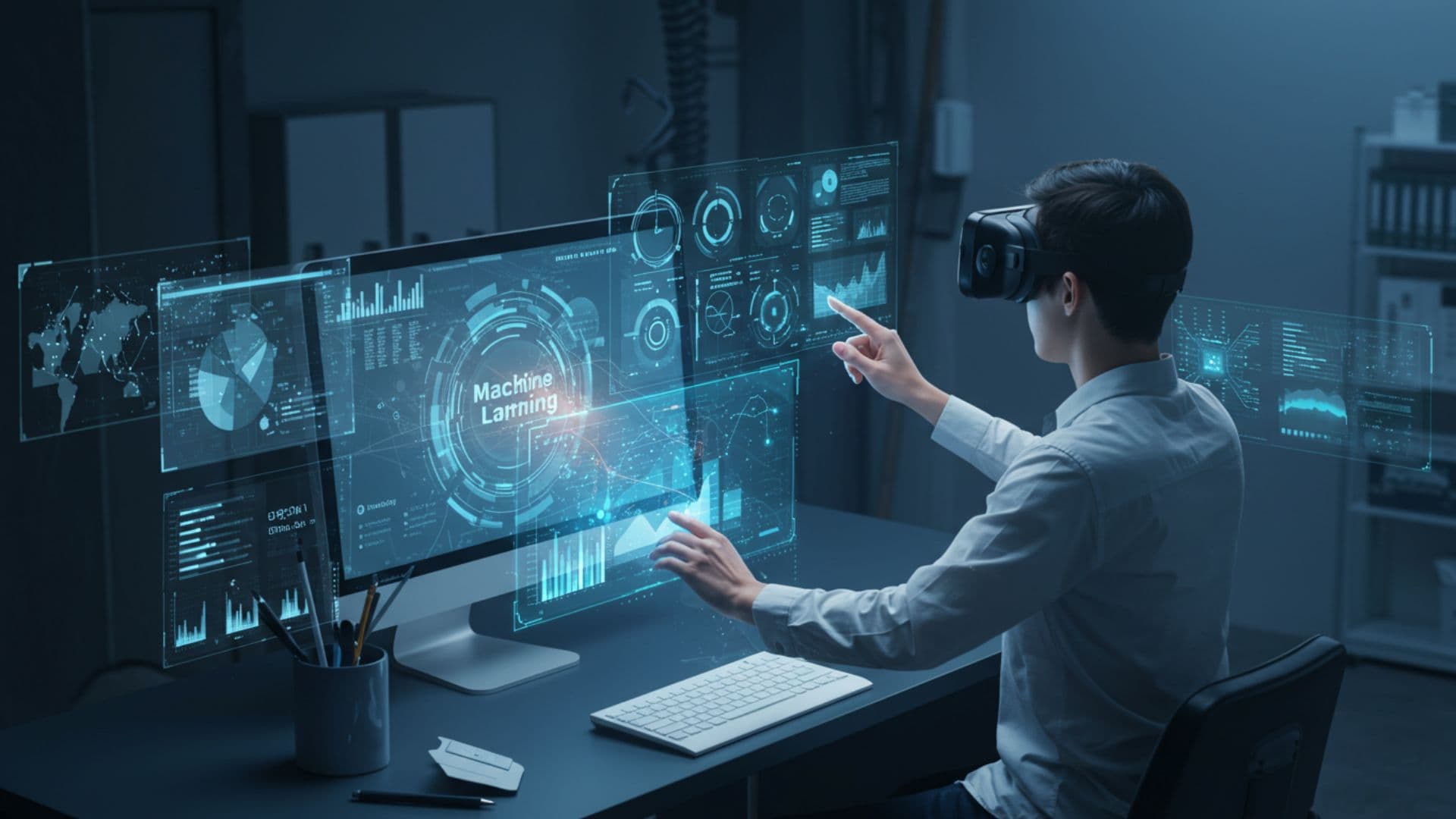
The Role of Machine Learning in Advancing VR Technologies
How Machine Learning is Revolutionizing Virtual Reality for Enhanced Experiences Imagine stepping into a virtual world where every movement you...

Top VR Games in 2025: Jurassic World, Red Matter, A Township Tale, Until You Fall, and Demeo
Discover the Most Anticipated Games of 2025 Transforming the Gaming Landscape As the gaming landscape evolves, 2025 promises to be a landmark year...
READY TO TRANSCEND?
Contact Virtual Reality Cape Town today and discover how we can transform your digital strategy through immersion.